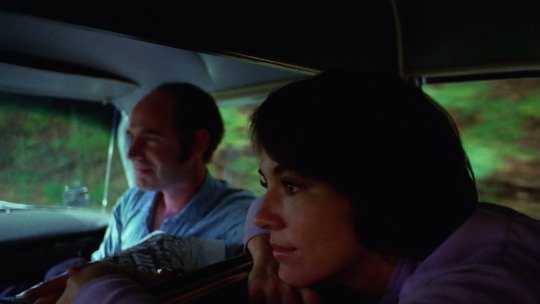
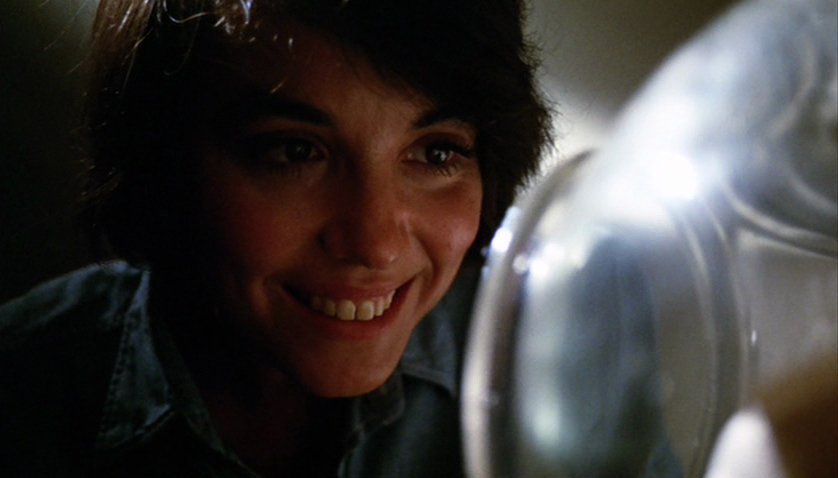
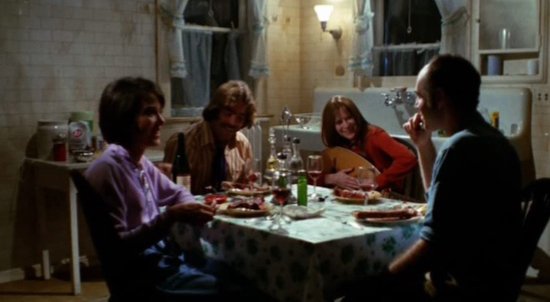
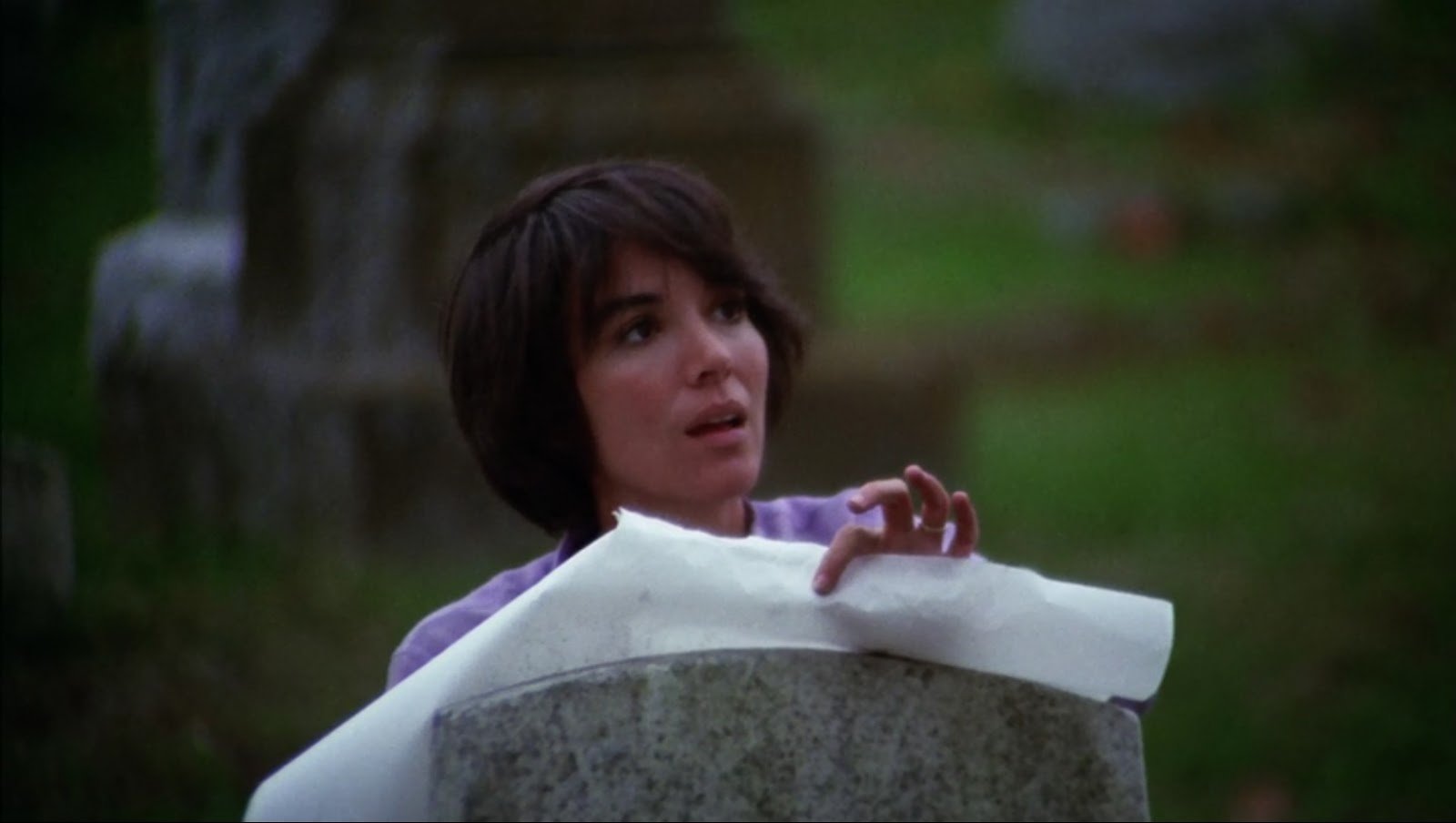
LET’S SCARE JESSICA TO DEATH (1971)

“I sit here and I can't believe that it happened. And yet I have to believe it. Dreams or nightmares? Madness or sanity? I don't know which is which.” –Jessica

Jessica and her husband, Duncan, along with their friend, Woody, move from the city to the countryside to start over after a big life-changing event, her institutionalization. Jessica has recently been released from a six-month stay at a mental hospital and is happy to be free again, ready for a fresh start thanks to the support of her loving husband and encouraging friend.
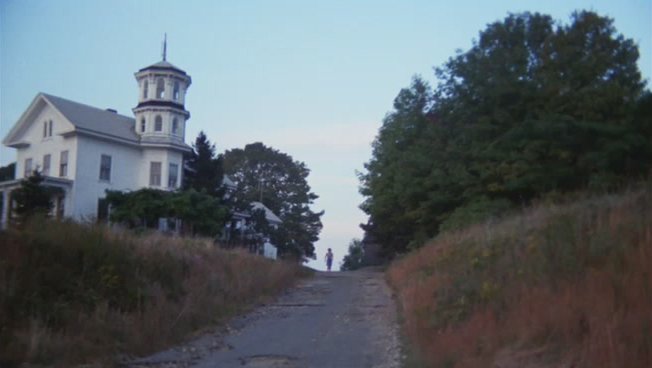
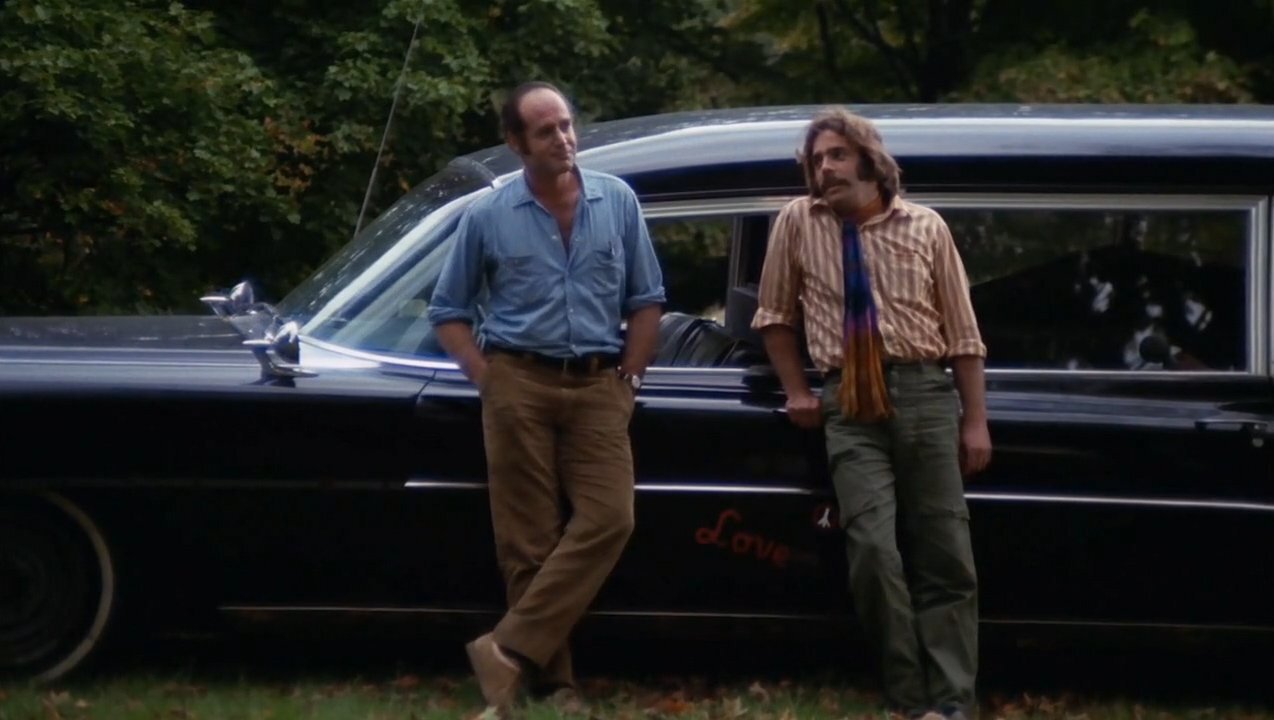
There is something else you should know about Jessica. She is playful, joyful, curious, and a kind person, so much so that when they first arrive to their new farmhouse they are surprised by a drifter who has been crashing at their property, and sweet Jessica asks her to stay for dinner and leave in the morning, when they can give her a ride into town.
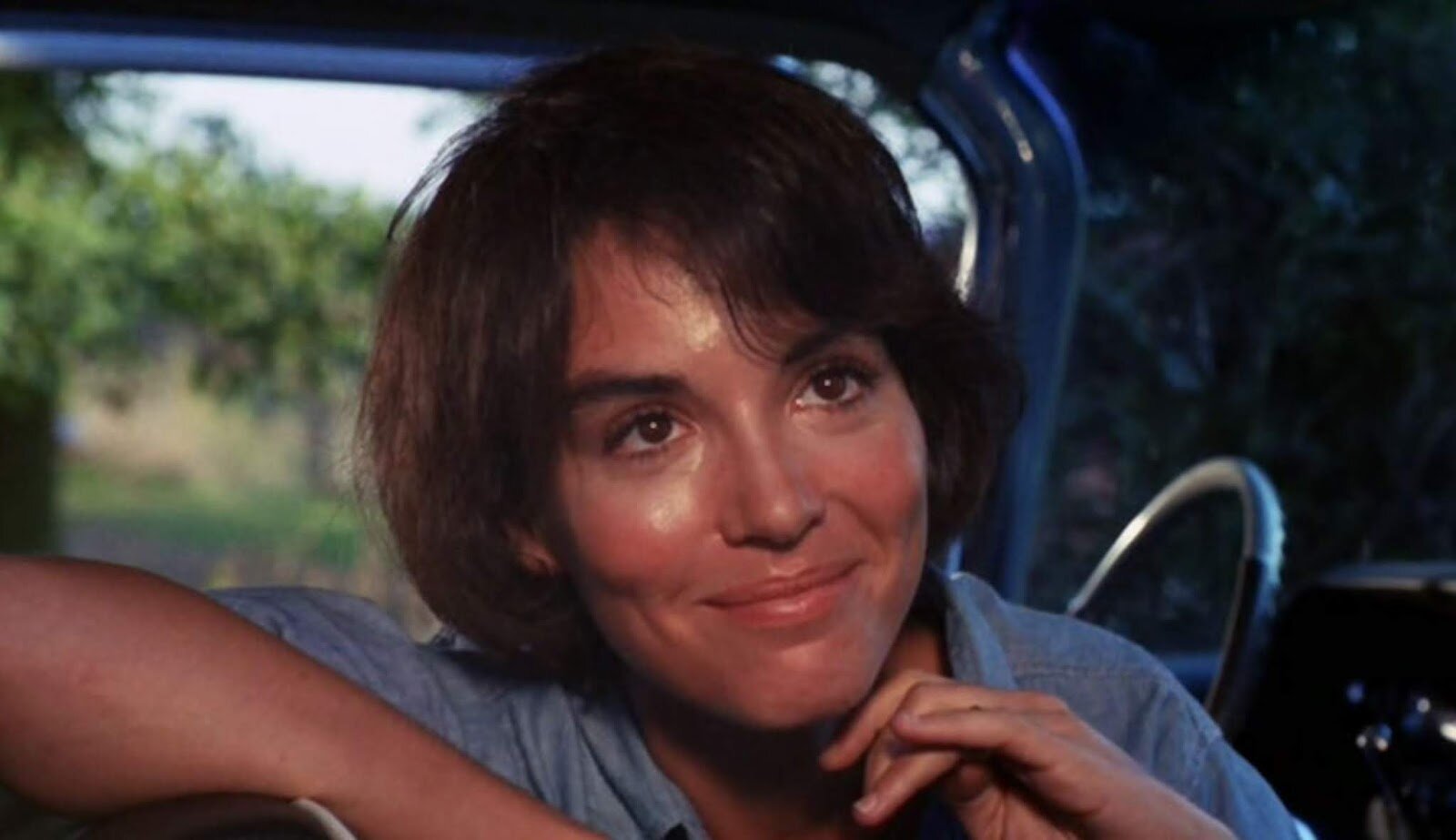
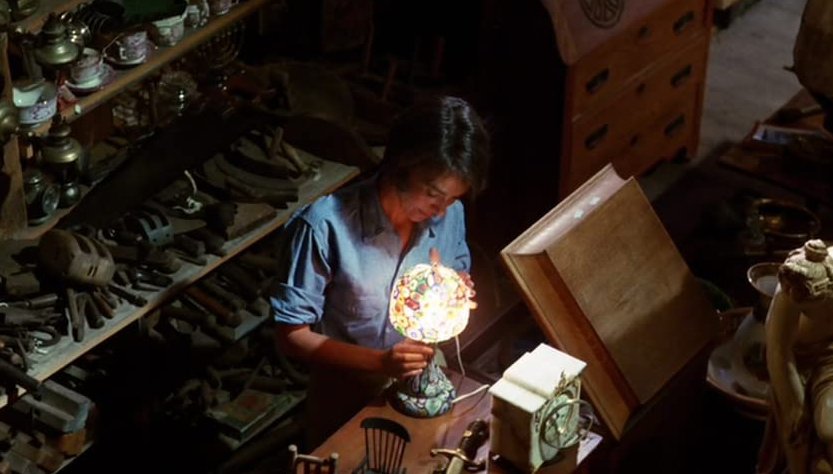
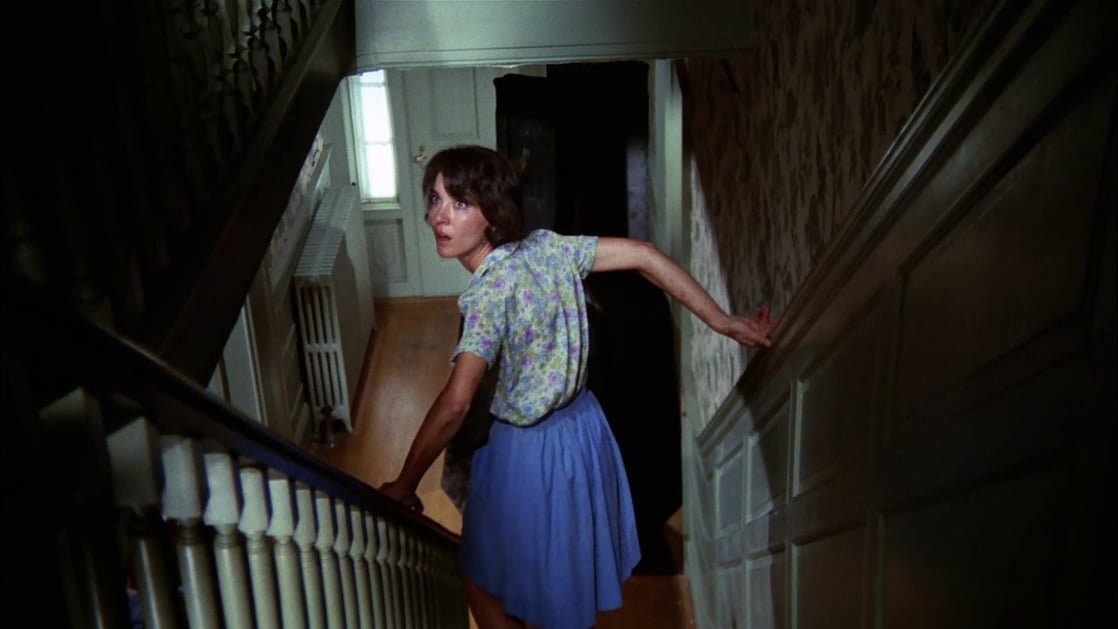
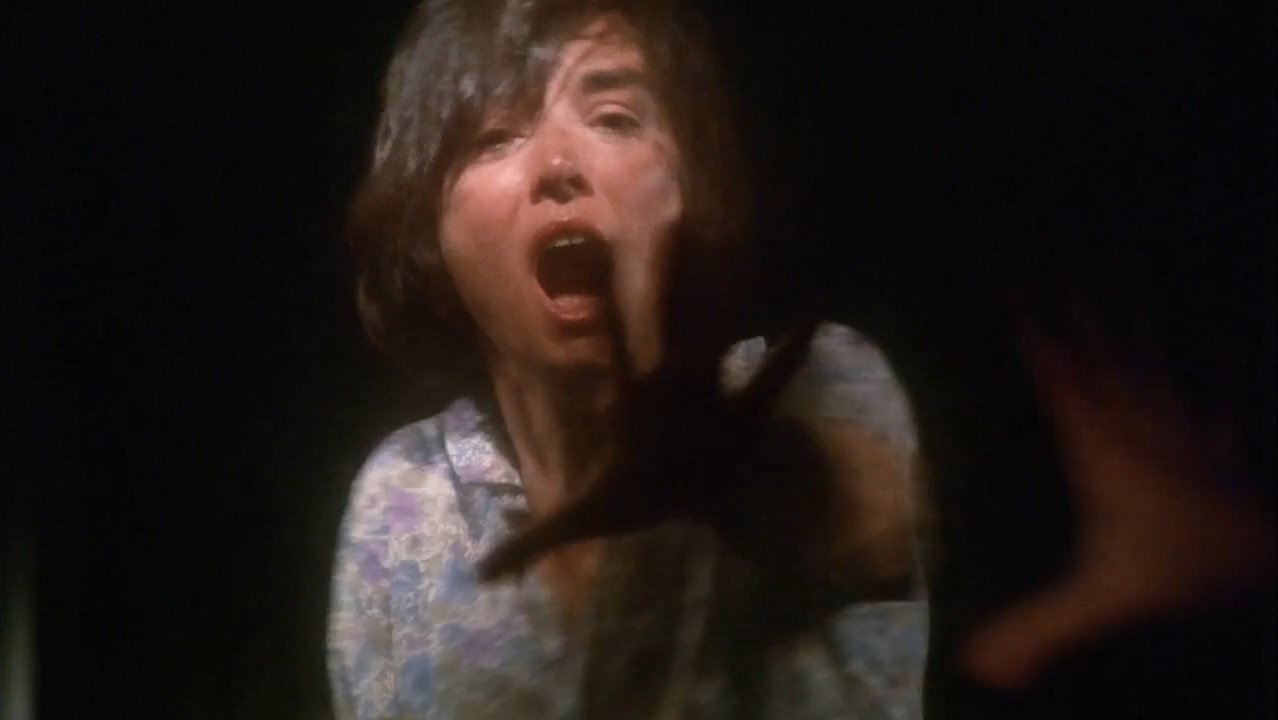
Things did not stay great for long as Jessica started having visions of a woman in white, and even though she was alarmed that her condition might have returned, she remained calm and did her best at acting as if nothing was wrong and kept thinking to herself over and over, “Don't tell them. Act normal.”
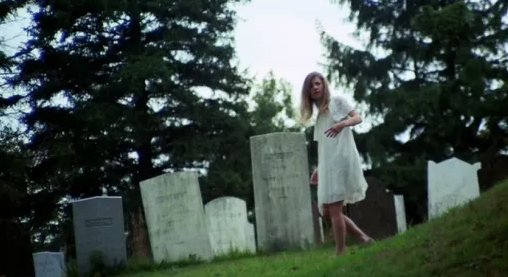

But one can only fake it for so long. Right?

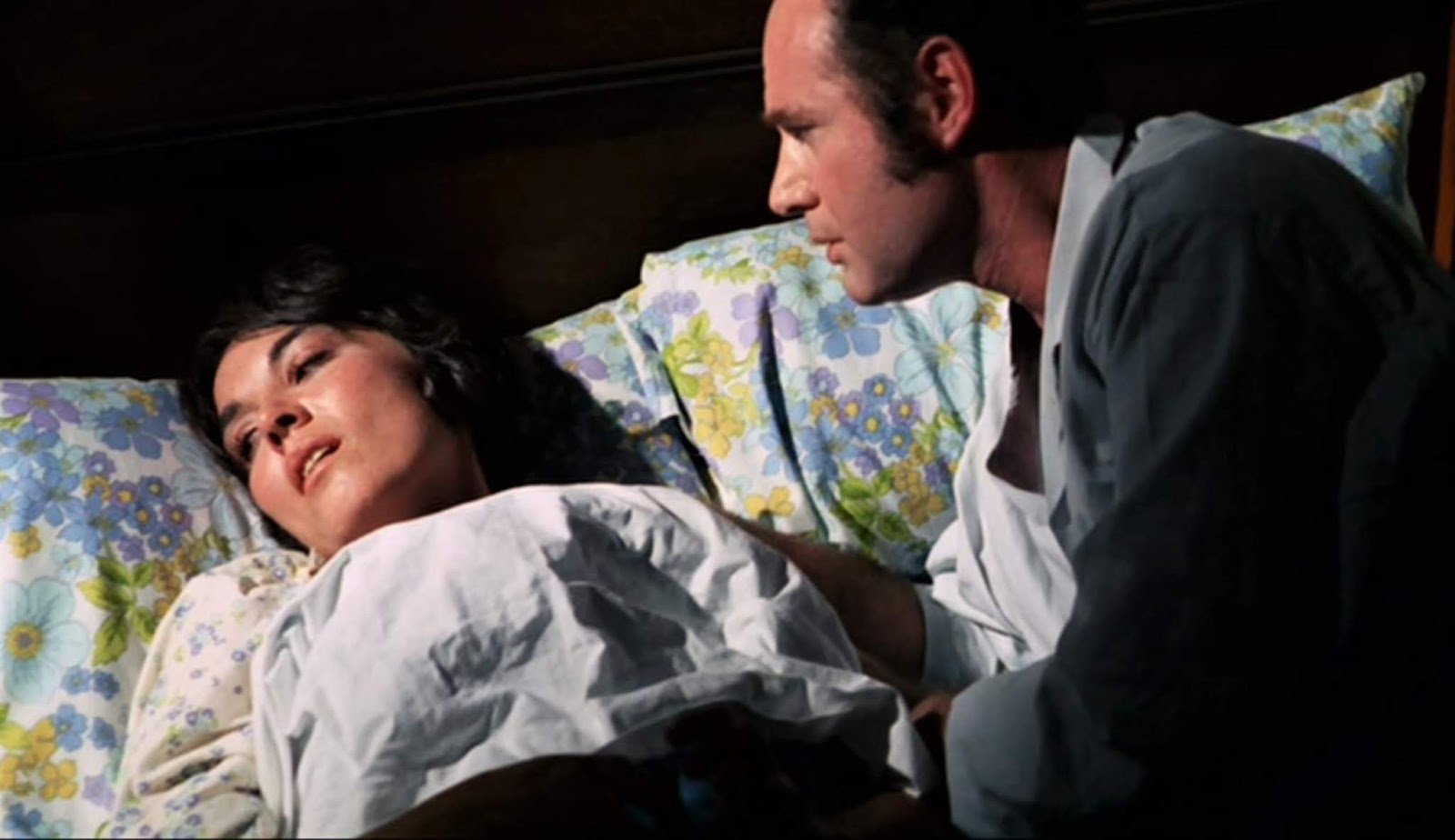
When Jessica could no longer keep up appearances she unraveled to the point that her husband asked her if she wanted to go back to the hospital, mind you, by this time he had been gaslighting her and having an affair with the drifter who, due to Jessica’s generosity, was now living with them at the farmhouse.
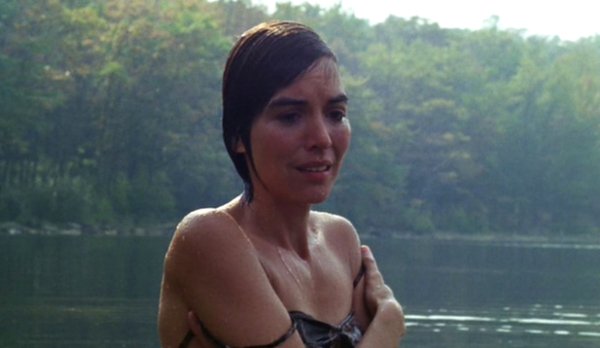
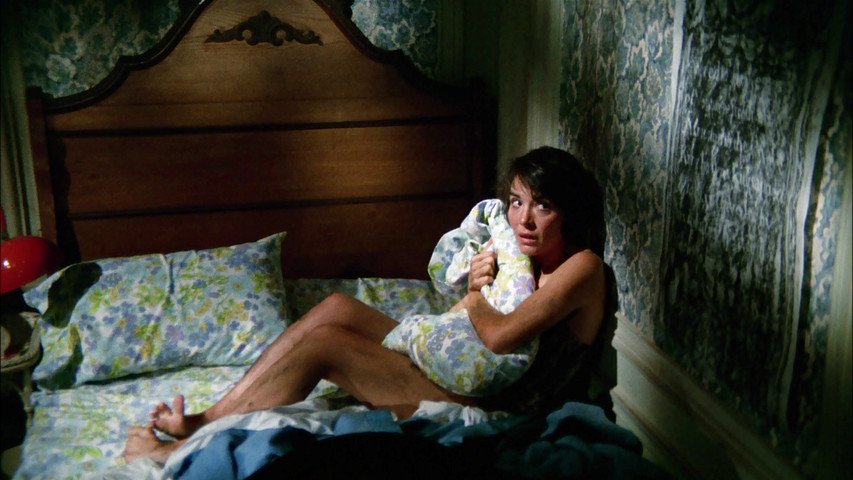
A lot of crappy stuff happened to Jessica but do not worry, I am *not* going to spoil it here for you as I believe it is important that you, yourself, watch the movie and observe said crappy stuff as it develops, little by little, so you can determine if it was real or not, supernatural or not, if Jessica experienced it in her head or in real life, if there is hope in her future or if her gloomy destiny has been set in stone.

Now, if you would allow me, I’d like to share with you the many reasons why I fell in love with LET’S SCARE JESSICA TO DEATH (1971):

Because mental illness was at the forefront of the story, whilst not being the reason why all hell broke loose/ Because we had insight into Jessica’s destructive inner dialogue during stressful situations via voice-overs, plus, her voice was soft and calm which made it a little bit more unnerving to listen to (imagine someone telling you they love you, imagine their caring tone of voice, their warmth, then imagine the words they are using are violent, something like, “Go ahead, kill yourself, you know there is no point.”)/ Because we could see as Jessica struggled how she forced herself to appear normal, to carry on conversations, to laugh on cue, to be polite, to be pleasant, to be her old self (this made me feel so much compassion for her, like, damn, I had to remind myself it was just a movie lol)/ Because as she got scared, while not being sure if the thing was real or not, she pretended not being bothered, even as her lower lip quivered and her eyes looked down sheepishly/ Because when the drifter woman made aggressive passes at her while swimming in the cove, she reacted in a physical way that made it feel too real (seriously, it triggered me!) with her automatic politeness deflecting the immediate danger of the situation, like the prey sweet-talking the predator as a way of survival/ Because when Jessica let herself break down she retreated into a smaller state, as in, her body looked more frail, thinner even, too soft, too fragile/ Because of the way the real and unreal elements developed making Jessica doubt if it was true or not, then taking it back and changing her mind making us feel dizzy with her because we were seeing what she was seeing and it was confusing/ Also, the juxtaposition at the beginning of the film with the hearse, the stop at the cemetery, with Jessica exiting the vehicle from the back exposing a coffin-like cello case, all symbolizing death and end and sorrow, while at the same time having the characters externalizing how great and happy this new start was for them, especially for Jessica.

“For the first time in months, I’m free. Forget the doctors. Forget that place. I’m okay now. We’ll start over.” -Jessica
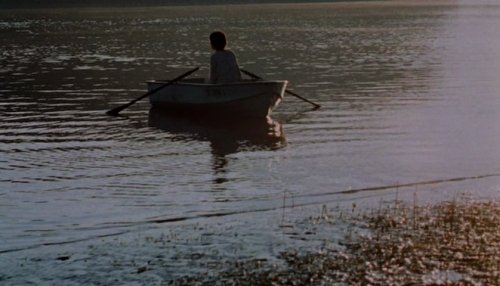
In Love and Fear,

-Marath

© 2016-2022
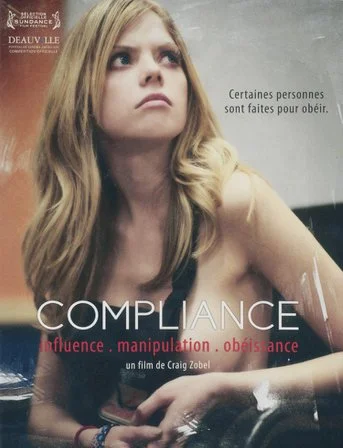
That’s… I… I Hate It Here – COMPLIANCE (2012)

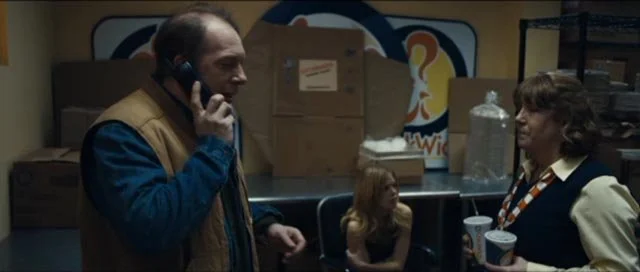
A long, long time ago while browsing Hulu I came across the movie Compliance (2012) and since the actress on the poster was June Colburn from my favorite tv show Don’t Trust the B---- From Apartment 23 (2012-2013)—btw real quick: it’s obscene the number of times I have rewatched the series throughout the years, mind you, I still do up to this day and highly recommend it to anyone craving original content about an unapologetic, politically incorrect, adorable badass b---- #teamChloe—so, naturally, I decided to give the trailer a go and, oh wow, I couldn’t even finish it and immediately stopped it as my blood started boiling in anger! No, thank you, that movie was definitely not for me. What kind of an idiot would follow random directions from a stranger over the phone and terrorize another human being!? There is no way! Absolutely not! I hate it!

Fast forward to today when I found about the 2004 true crime case of then 18-year-old Louise Ogborn, a McDonald’s employee from Kentucky who was the victim of not only an illegal strip-search but also of sexual assault by her Manager and her Manager’s fiancé, respectively, all because they were told to do so by a man on the other side of the phone. The man was 38-year-old David Stewart, a security guard and, most importantly, an utterly pathetic wannabe-cop from Florida who had done the same to—prepare to gasp in horror—over sixty other fast-food establishments across rural areas in the U.S. from 1992 to 2004. Stewart was arrested and charged for unlawfully impersonating a police officer and for soliciting sodomy, however, in his 2006 trial he was found non-guilty on all chargers, I mean, wow, that’s... I… I hate it here.

So, anyway, after my psyche was traumatized by the horrible phone scam story, I told myself, Hey, hold on, wait a minute, wasn’t there a movie with a similar plot? Yes, Compliance. I have to watch Compliance right now! And so I did, and re-traumatized myself. Sigh. (Why do I do this!?)

Before I leave for the night, I would like to share with you a YouTube link in the event you want to learn more about the outrageous crime committed against Louise Ogborn: click HERE for an analysis by Dr. Todd Grande, Licensed Professional Counselor of Mental Health (LPCMH). And remember, trust no one, question authority, be smart, stay safe, and, most importantly, look after each other.

In Love and Fear,

-Marath

© 2016-2022
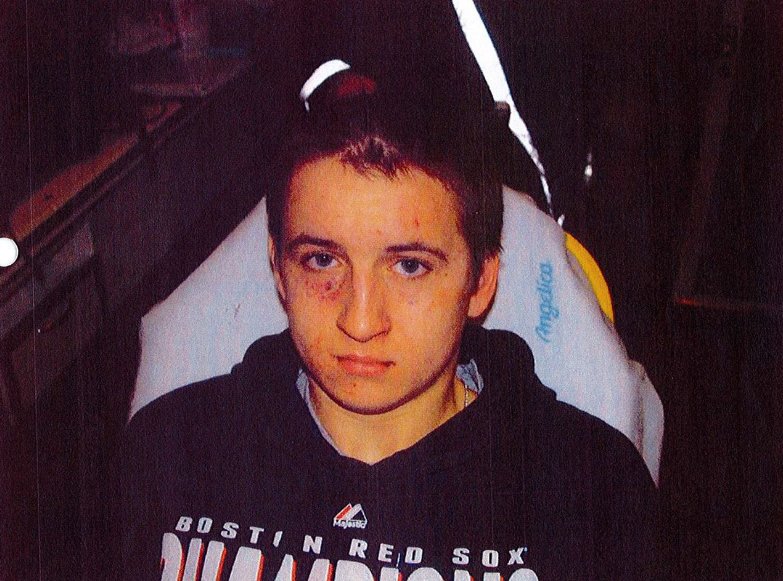
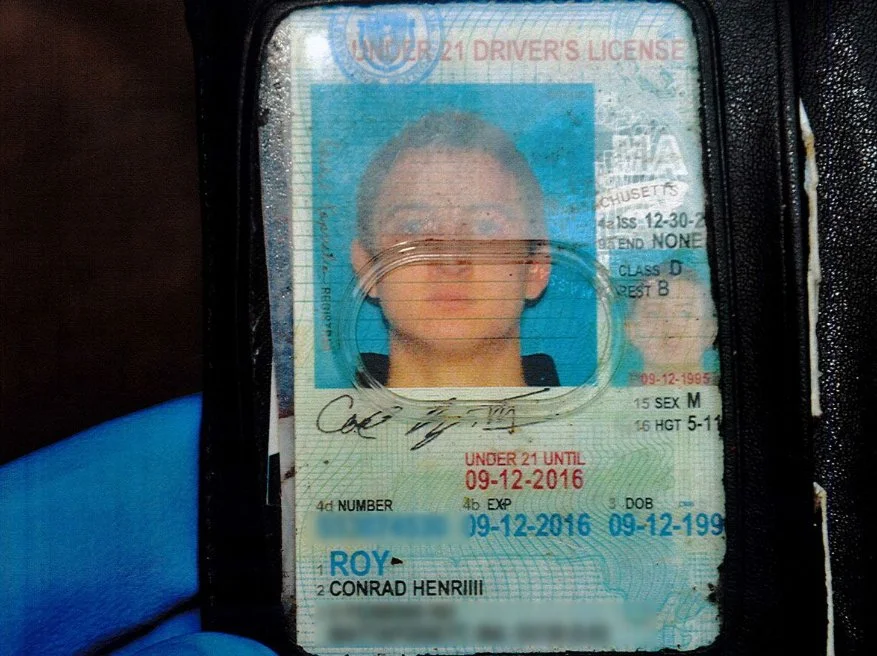
The Heartbreaking Case of Conrad Henri Roy III (1995-2014)

WARNING: The following post depicts graphic content about Depression, Suicidal Ideation, and Suicide. Please click out of this page if you are offended by these topics. And please, if you are emotionally hurting and contemplating suicide, stop what you are doing and immediately contact The National Suicide Prevention Lifeline at suicidepreventionlifeline.org or call their number at 1-800-273-8255 for free and confidential help.

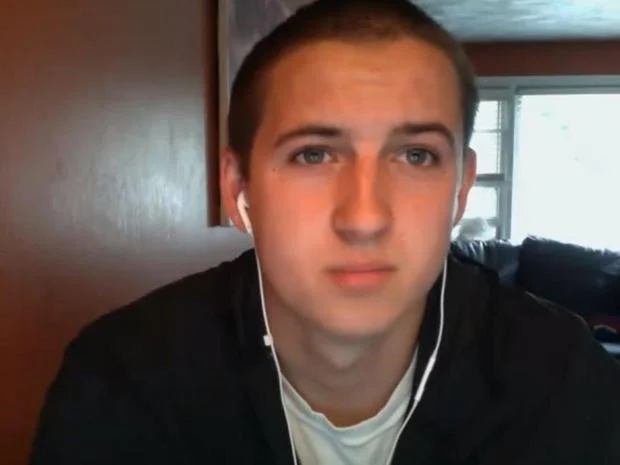
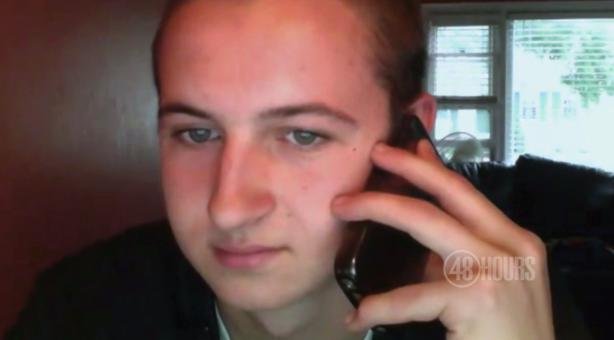
Eighteen-year-old Conrad Henri Roy III recorded the above 2-minute video of himself talking about his mental state in June, 2014. A month later he would take his own life.

## PART 1 – FACTS ##

Conrad was born in Massachusetts and was the eldest of three siblings. He was characterized by his mother as a nice and sensitive kid, and by his father as a good and hardworking employee. The mother worked at a psychiatric hospital, and the father at the family’s marine towing and salvage business. The couple separated in 2012 when Conrad was 16 years old, and it proved to be a difficult time for him as in October of that year he attempted suicide twice, once by drowning and once by overdosing on pills.
Conrad’s mental illness was treated with antidepressants which seemed to help but, as evidence would later show, he was still plagued by negative self-talk and low self-esteem. To make matters worse, in February, 2014 his father was arrested by the Mattapoisett police for assault and battery after pinning him down, his own son, and punching him repeatedly.

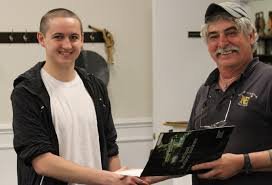
However, Conrad’s family and personal life looked happy and normal from a distance, with him living with his mother in Fairhaven, Massachusetts, with having a good relationship with his sisters, with working with his father, uncle, and grandfather in their family’s marine salvage business, with him being a good student and graduating from High School in June, 2014 on the Honor Roll with a 3.88 GPA, with being a good friend to his buddies, with being athletic and playing different sports, with enjoying sailboats, with getting his Tugboat Captain’s License at 18 years of age, and with him getting a new job at the Boston Duck Tours to captain their boat.

A long and prosperous life by the sea seemed to be in the cards for Conrad until his mental illness made him believe—one can only speculate—that by ending his own life it would put a stop to his unbearable emotional pain. (Depression is a common and manageable mood disorder, but it should never be underestimated and left untreated especially if the person going through it talks about suicidal ideation. Depression and suicide should not be romanticized, they are not a game, and in a worst case scenario they have the potential of killing its host.)

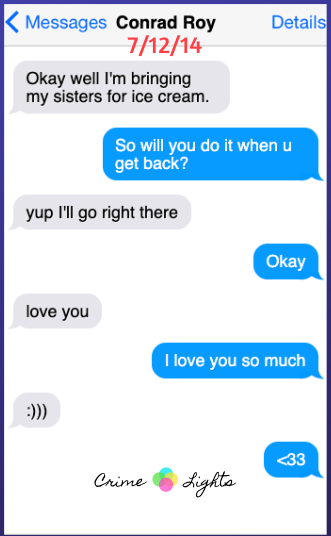
On Saturday, July 12, 2014 Conrad went for a walk to the beach with his mother and two sisters, and, later on when asked about it in retrospect, they claimed not seeing anything out of the ordinary with him, he looked to be in good spirits, slightly distracted on his phone but nothing to be worried about. After the beach, the three siblings stopped for ice cream and once back home, a little after 6pm, Conrad told his family he was going to head out to his friend’s house and that more likely he would not make it to dinner. He got in his truck and drove away with no plan on returning.

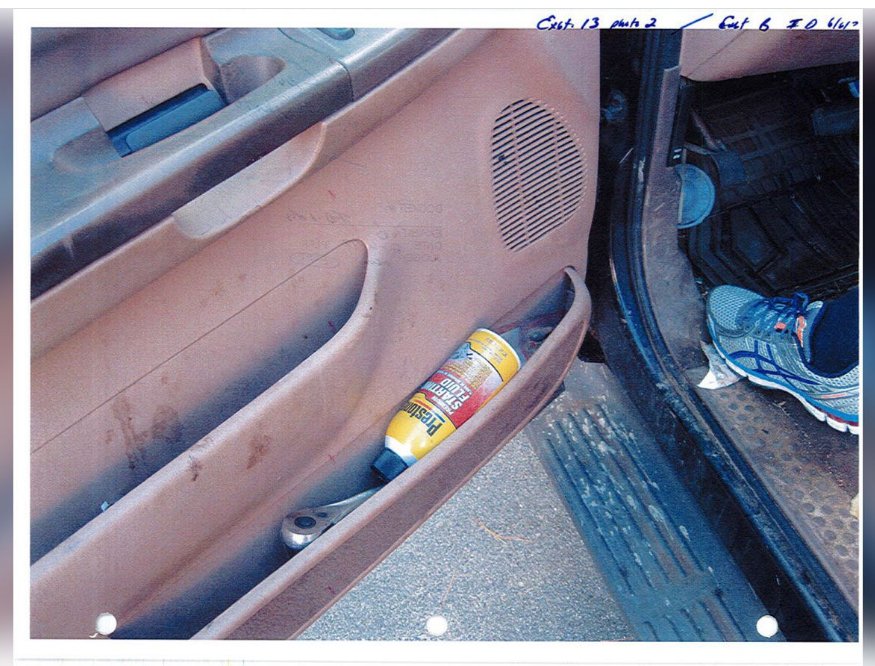
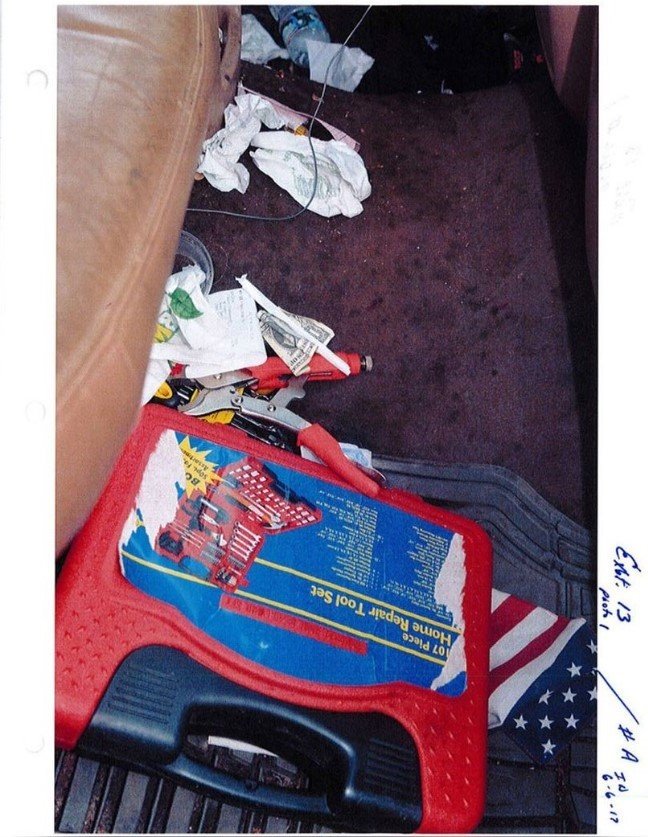
On the morning of Sunday, July 13, 2014, Lynn Roy, the mother, noticed that her son did not spend the night home which was unlike him so she went to the friend’s house to look for him, and nothing. Then, she went to her ex’s house, and nothing. Then, after the gravity of the situation set in her stomach, Lynn called the police to report her son missing and just a few hours later they called back notifying her that his truck had been found parked outside the local Kmart and that Conrad was inside the truck. Deceased.

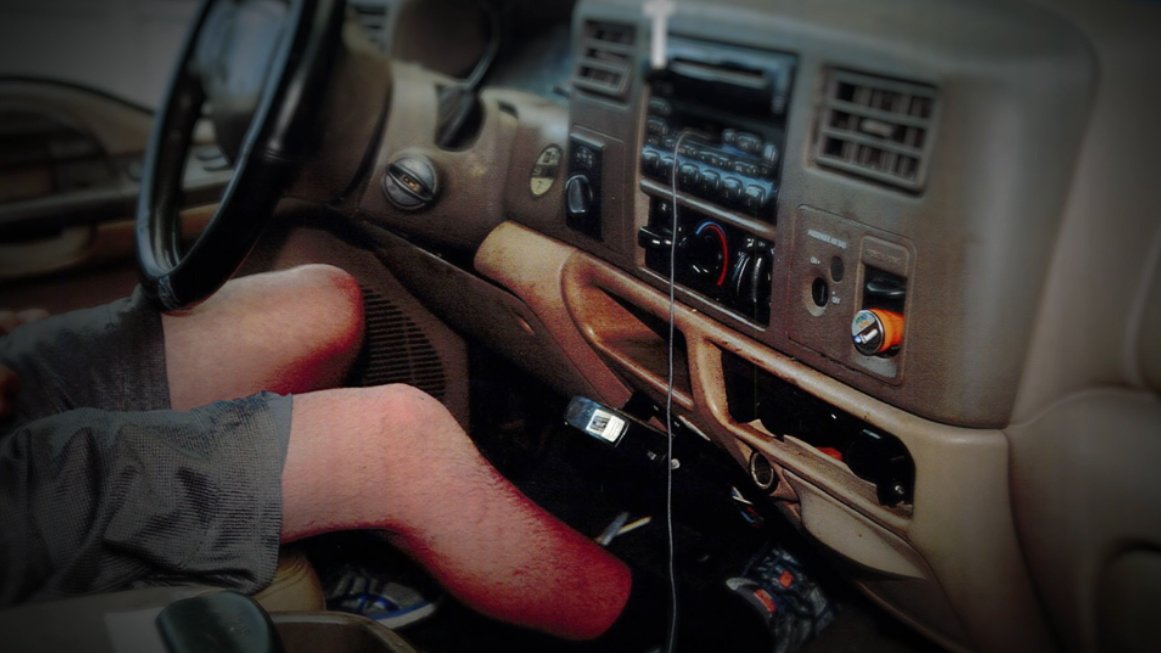
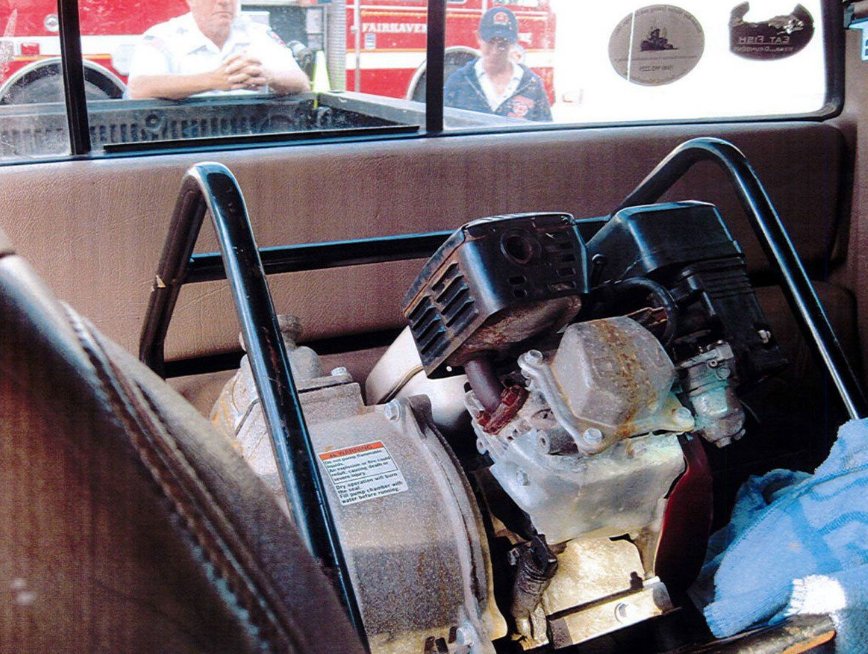
The cause of death was ruled a suicide by carbon monoxide poisoning via the fumes of a portable gasoline-powered water pump.

In an unexpected move by the authorities—unexpected because it seemed to be an open-and-shot case for the family—Conrad’s phone was inspected by two Detectives and a special focus was placed on the only text message thread left behind on the device by Conrad, the one he had with a female contact. There were thousands of messages—which police forensically extracted from the smartphone—with a large number of them, words and pictures, being alarming in nature, and the Detectives agreed that had it not been for the cyberbullying inflicted from the female to Conrad, he would still—not more likely, but would still—be alive today. They took the evidence to the DA, put together the case, and on February 4, 2015, Michelle Diana Carter, age 17, was apprehended and charged with involuntary manslaughter. (From this point forward she will be referred to as the defendant.)

## PART 2 – BAD COMPANY ##

In 2012, when the Roy family vacationed in Florida while visiting relatives, Conrad met the defendant through mutual acquaintances and started a long-distance relationship with her; even though they both lived in Massachusetts, not even an hour away from each other, they only hung out in person twice (some sources say three times) over a two-year period—no pictures exist of them together as a couple—and chose to communicate exclusively via text on a daily basis, multiple times a day, talking about age-appropriate subjects—one can only assume—but also, and most importantly, as court evidence would later show, about their own struggles with mental illness. 

Conrad suffered from depression and social anxiety and was taking medication for it. The defendant suffered from an eating disorder and was medicating as well.

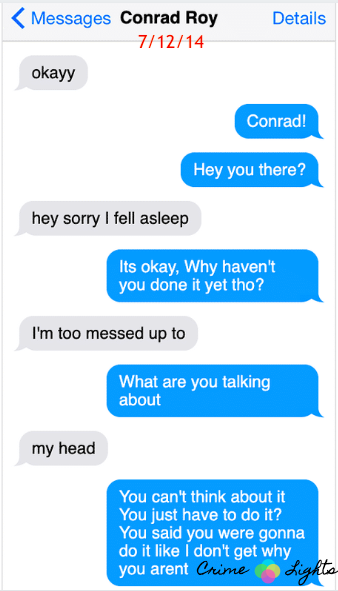
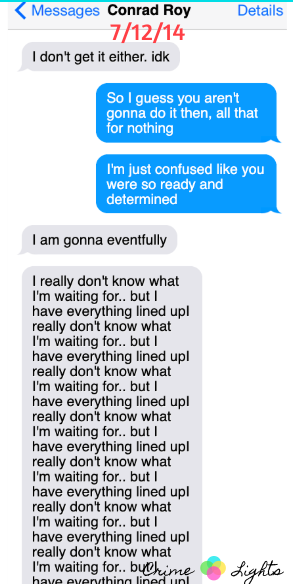
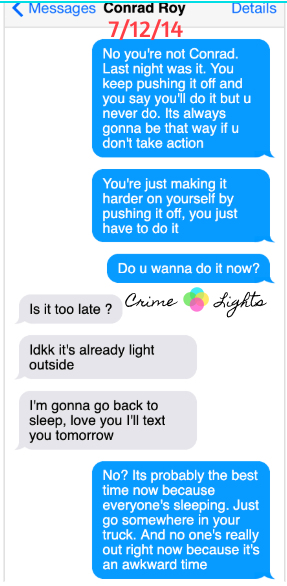
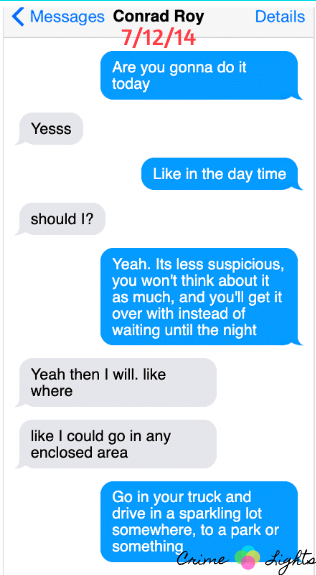
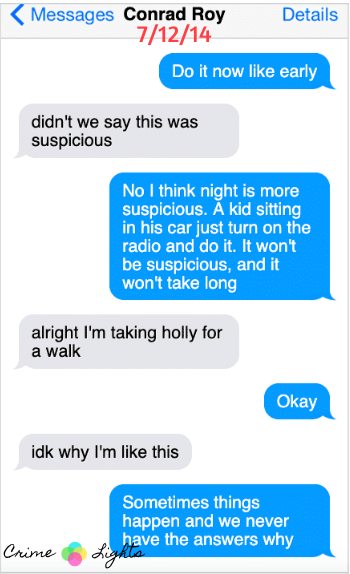
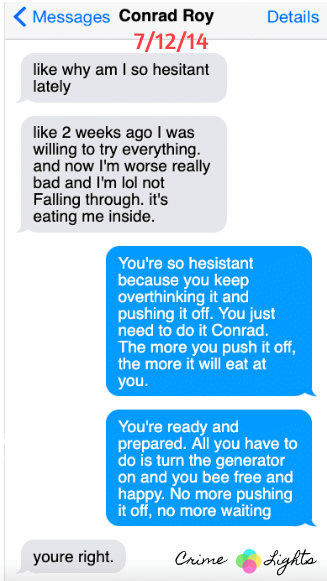
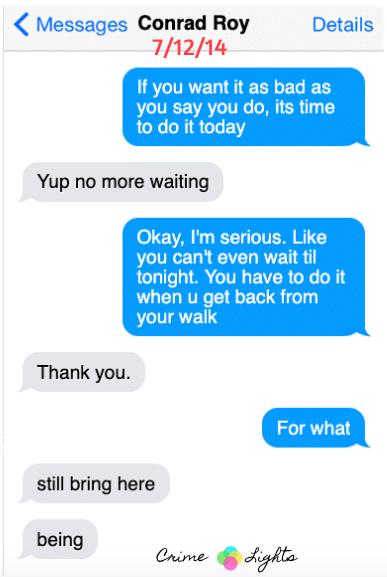
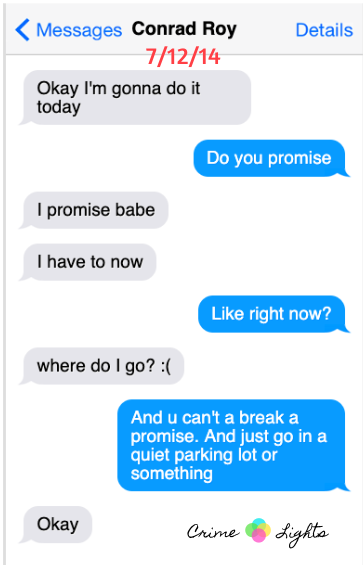
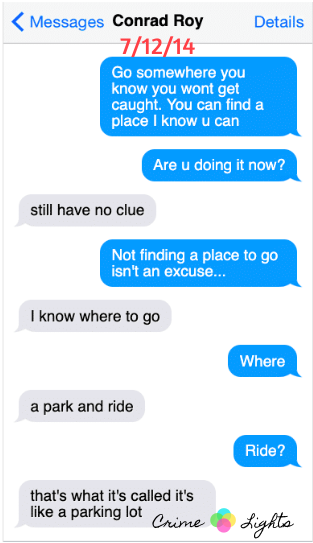
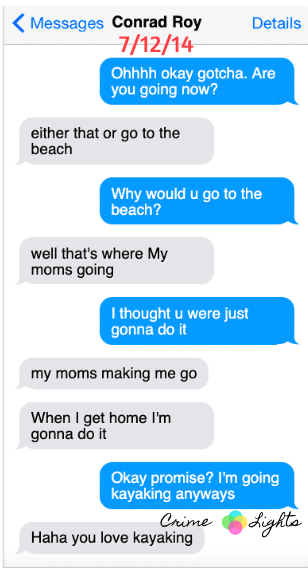
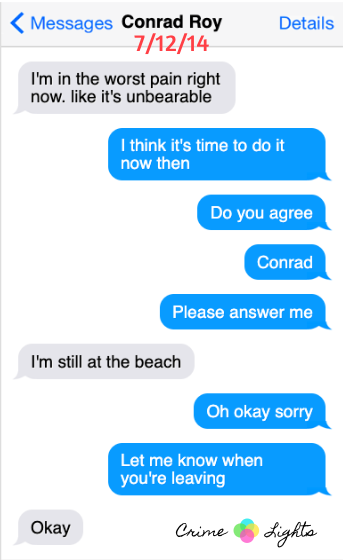
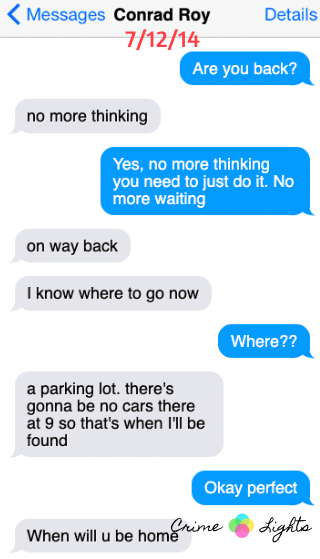
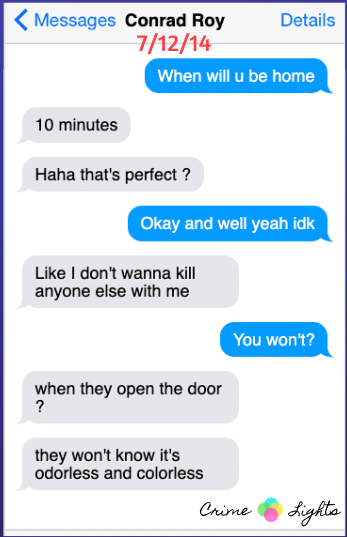
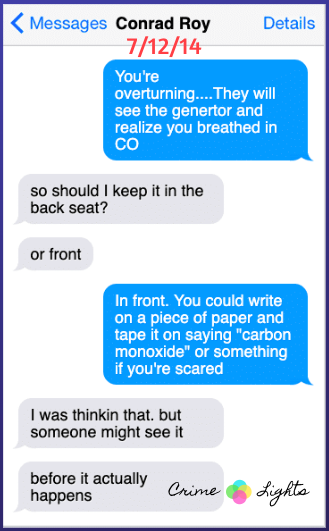
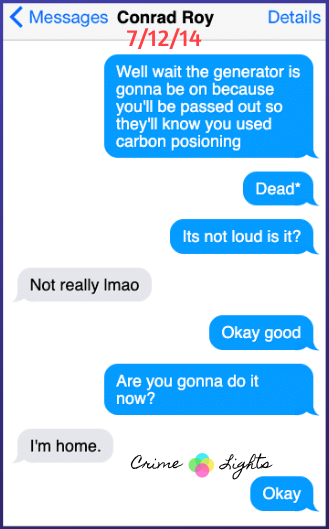
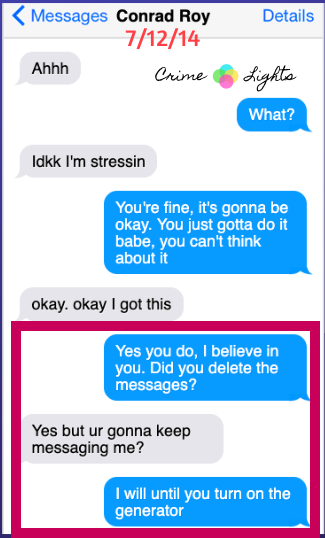
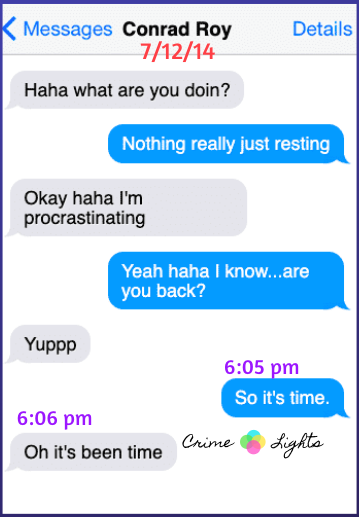
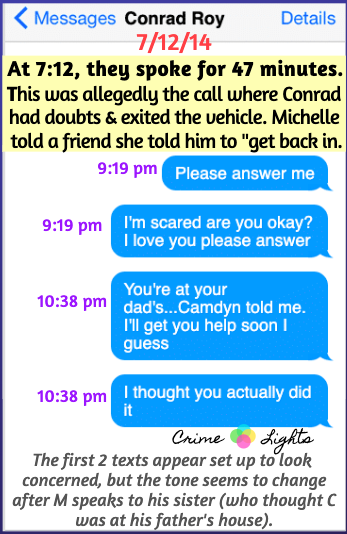
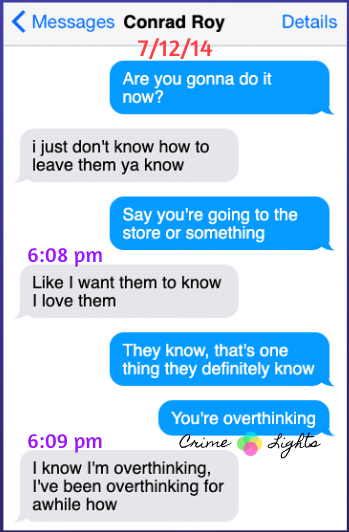
For the majority of their two-year relationship the defendant advised Conrad to not only seek professional help, but to also go to inpatient treatment like her, but he brushed her off by saying that nothing worked for him. Then, on the last weeks of Conrad’s life the defendant turned on him, encouraging him to end his life. These were the final texts they exchanged on Conrad’s very last day alive:

## PART 3 – TRIAL ##

On June 5, 2017 the Defense opted for a bench trial, which is a trial without a jury and where the guilty/non-guilty verdict is decided solely by the Judge. This must have been a calculated move on their part as they surely must have predicted that when the Commonwealth presented the [heartbreaking] evidence to the jury, it would have made it difficult for them to keep an unbiased opinion and, more likely, ended up favoring the victim.

[Supreme Court, Commonwealth v. Carter – to view the 70-page pdf file, click HERE]

The Judge chose the verdict based on the law, not emotion, and on June 16, 2017 the defendant was found guilty of involuntary manslaughter (she was allowed to go free on bail until sentencing). On August 3, 2017 she was sentenced to serve a two-and-a-half-year term, with fifteen months to be served in the Bristol County House of Corrections, the rest of the balance suspended, and five years of probation to be served (she was allowed to go home until all of her court appeal options were exhausted).

On February 11, 2019 the defendant began serving her fifteen-month sentence. On January 23, 2020 she was released early from prison due to good behavior.

 “… Sam his death is my fault like honestly I could have stopped him I was on the phone with him and he got out of the car because it was working and he got scared and I fucking told him to get back in Sam because I knew he would do it all over again the next day and I couldnt have him live the way he was living anymore I couldnt do it I wouldnt let him…”

## PART 4 – PERSONAL OPINION ##

I understand depression. I understand teenage behavior. And I can do my very best to try to understand [from a distance, years later, thanks to the evidence shared with the public] the harmful, negligent, and secretive relationship between the defendant and Conrad. What I cannot understand is how a young and athletic and strong human body can be sitting in an enclosed environment, getting poisoned by deadly fumes, having the survival instinct kick in with the lungs “screaming” for air and the legs and arms “pushing and shoving” against the “orders” from the depressed brain to “just take it” and die, by having the evolutionary physical panic reaction help the body escape and exit the enclosed deadly environment to preserve itself, for all of that to be overridden by the verbal instruction of someone else over the phone, to simply going right back into the enclosed deadly environment without the body resisting and putting up a fight at all? That is what I cannot, and will not, understand.

In my personal opinion—and I am clearly only speculating—I think that 1) Conrad took his prescription sleeping pill to aid him fall sleep in the truck and while waiting for it to take effect he spoke on the phone with the defendant (court records showed they last communicated on 07/12/14 on a phone call that started at 7:12pm which lasted 47 minutes), and that at some point before losing consciousness due to the medication he turned on the portable water pump which became his death sentence within 20 minutes.

I also think that 2) the defendant lied for whatever reason about telling Conrad to get back in the truck as he—and again, I am just speculating—might have never actually gotten out of the truck because if he had then there was no way for his survival instinct, as strong and powerful as it can be expected from a young and athletic and strong human body, to allow him going back. Survival instinct overpowers the body to preserve life, that is how it works, and that is why it works.  

If I am right, it would mean that Conrad died peacefully and that the defendant lied.

If I am right, it would mean that Conrad died by his own free will and that the defendant’s lie was the one that caused her own guilty verdict.

If I am right, it would mean there were no winners on this modern-day self-destructive relationship between two young broken souls. Conrad’s depression appeared to have latched to the defendant because his depression was tricking his better judgment and made him see her, use her, as its weapon of choice –because that is what depression does, it lies.

In Love and Fear,

-Marath

© 2016-2022