“AS MY TROUBLES LEFT ME WEARY OF THIS LIFE, IT CAME TO ME TO COMMIT A MURDER.”
Hello, my dear horror friend, happy Ash Wednesday. As this season of prayer, fasting, and reflection begins, I find it suitable to sit down with you and talk about Agnes (real person) and her fervent devotion to her faith which, shockingly, made her believe that in order to save her soul she had to commit a crime punishable by death.
The words you just read were a gross oversimplification of historical records from 1750 Upper Austria as they pertained to Agnes Catherina Schickin, taken from the 2023 research book by Kathy Stuart titled Suicide by Proxy in Early Modern Germany: Crime, Sin and Salvation. The book was so impactful—haven’t finished reading my copy yet, but can clearly see why it inspired the creation of this historical horror-drama movie—that the Austrian filmmakers did not hold back from showing the brutal realities of murder and of public execution.
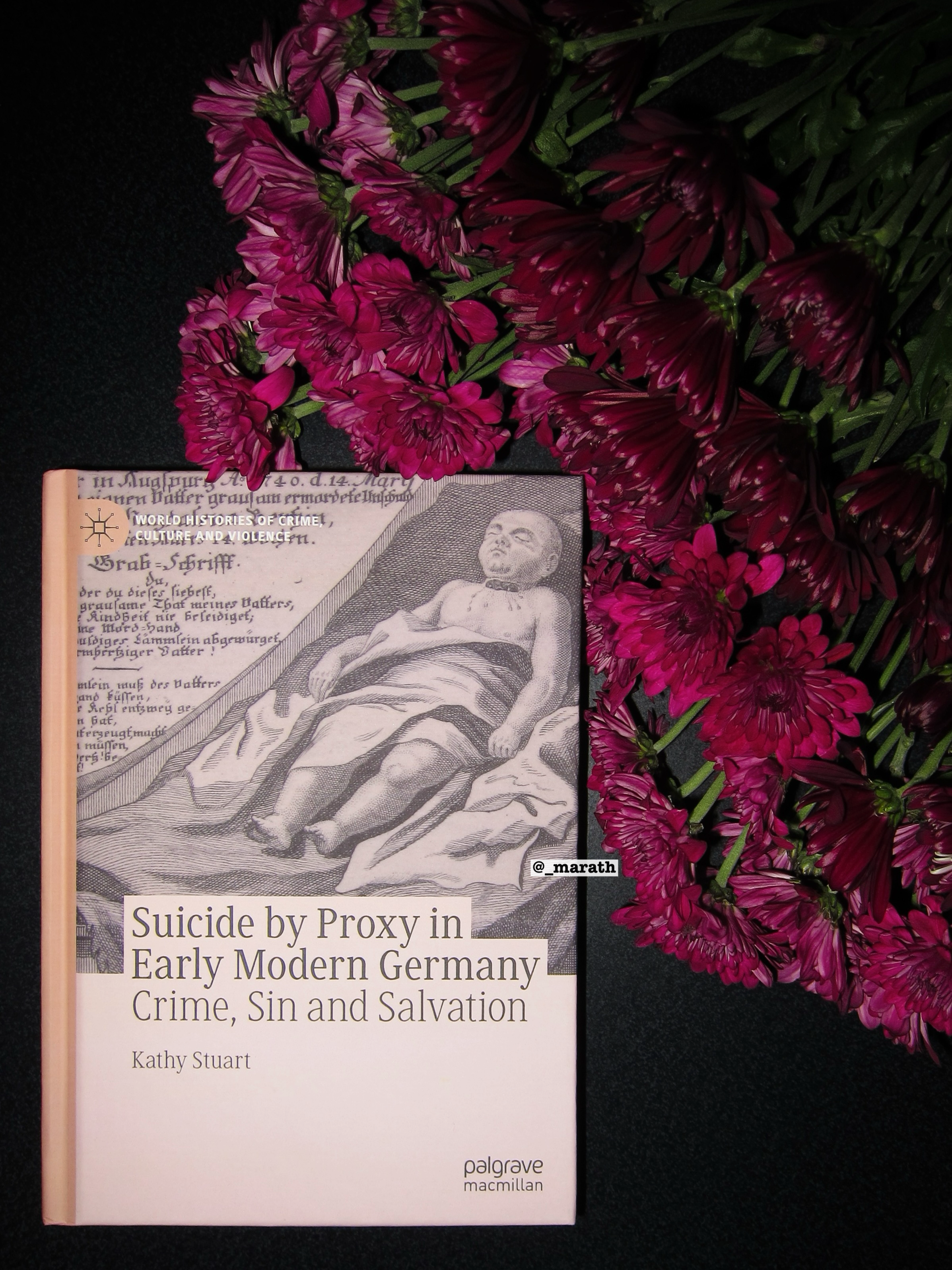
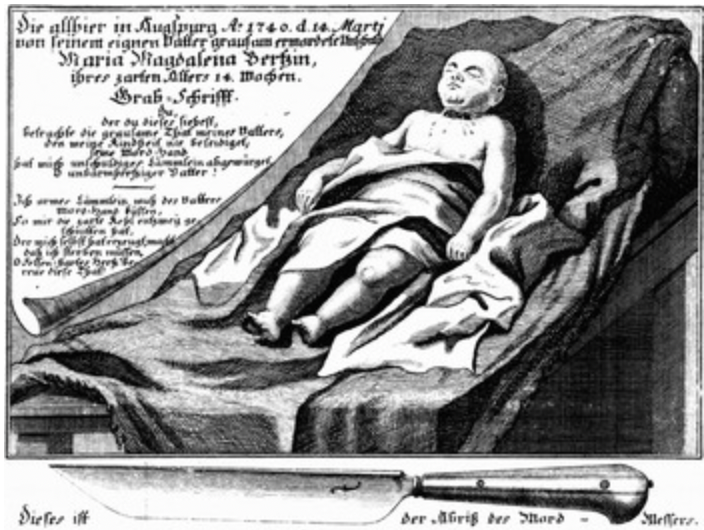
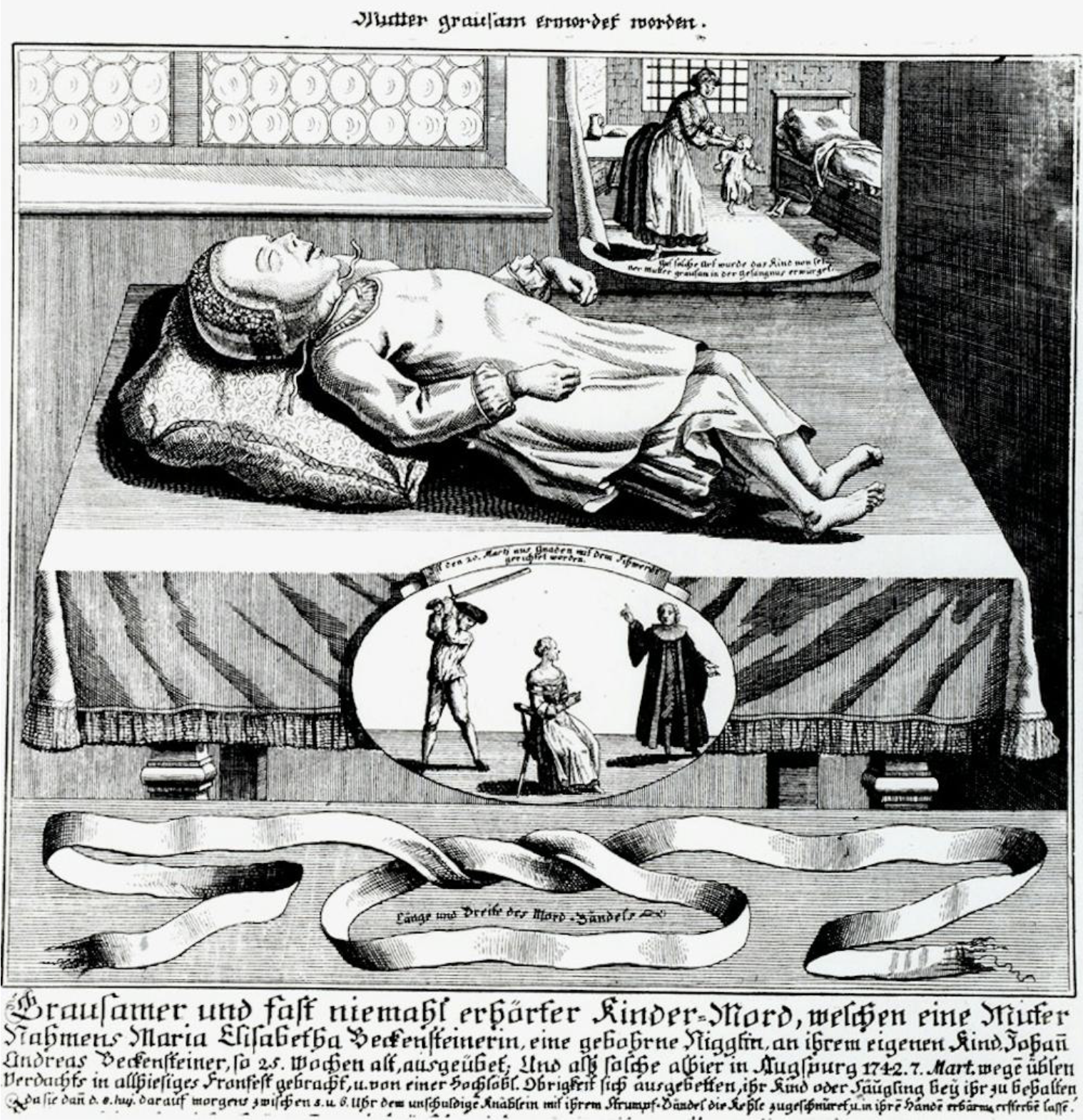

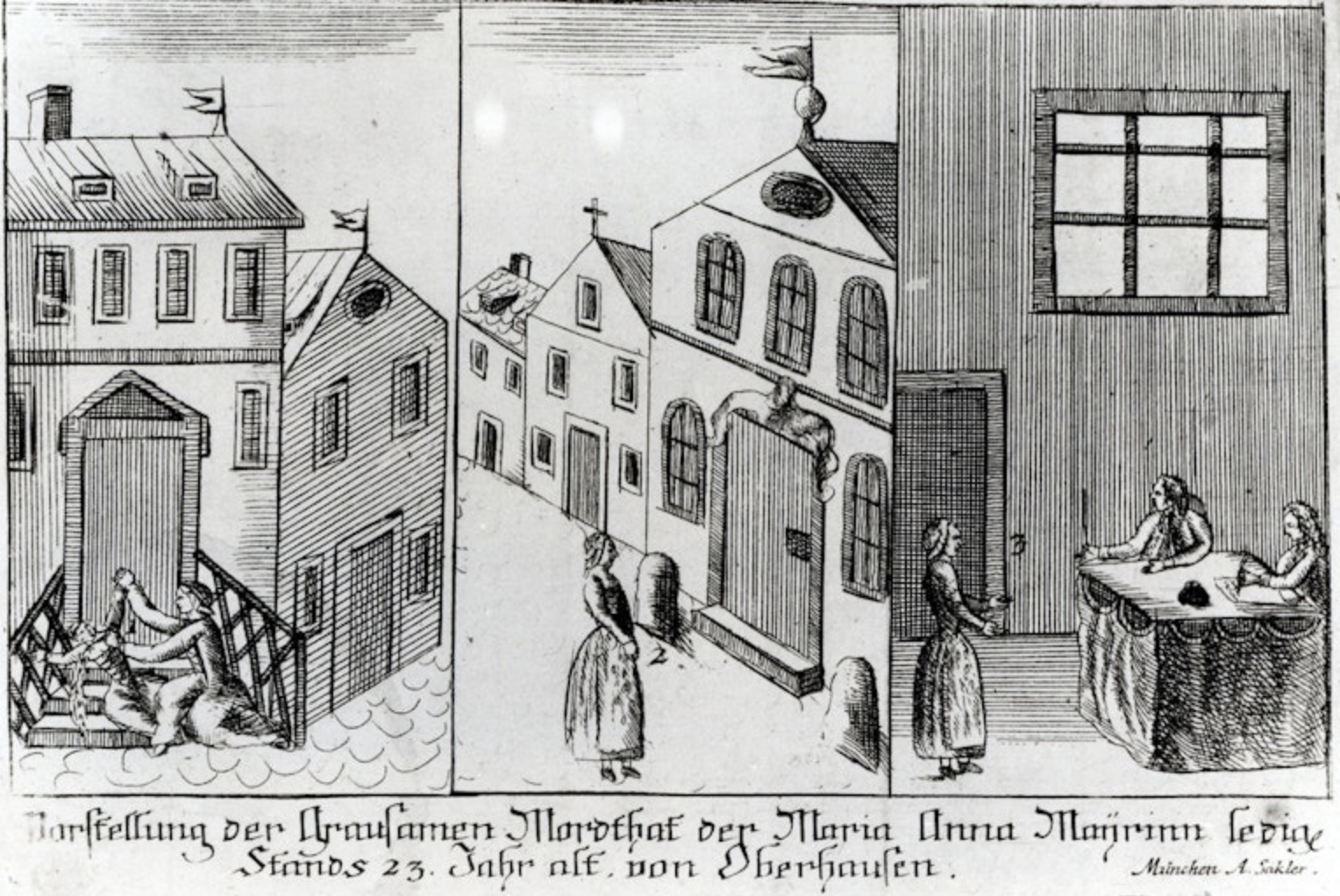
As today’s movie, Des Teufels Bad (2024), so graciously explained, in 17th and 18th century Europe, people who wanted to kill themselves would commit murder, so as to be executed. After confessing, cleansed of sin, they hoped to enter heaven and thus avoid the eternal damnation that awaited suicides. The majority were women, and their victims primarily children. The phrase “des teufels bad” translates to “the devil’s bath” which was an 18th-century metaphorical concept for depression and spiritual anguish, representing a state of being trapped/losing one's soul.
Before I move forward, and so we are on the same page, I would like to share with you the trailer that stopped me on my tracks and made me watch the movie immediately. (At the time, I came across it by happenstance, and had zero idea of the plot or even of the genre, so it captivated me by pure merit. Just look at the ambiance, at the cinematography, at the location, at the costumes, at the vibe!) Here it is, please enjoy:
**spoilers ahead**
Agnes was a young woman getting married. Wolf had the promise of being a good husband; he offered their own humble home at a great location, next to the water and by his mother’s house, and by default, a helping hand from her whenever the newlywed couple needed assistance with the keeping of the house, the cooking, the tending to the animals, and, of course, to the future children; he also offered a steady income as a fisherman. On paper, Wolf was a great man.
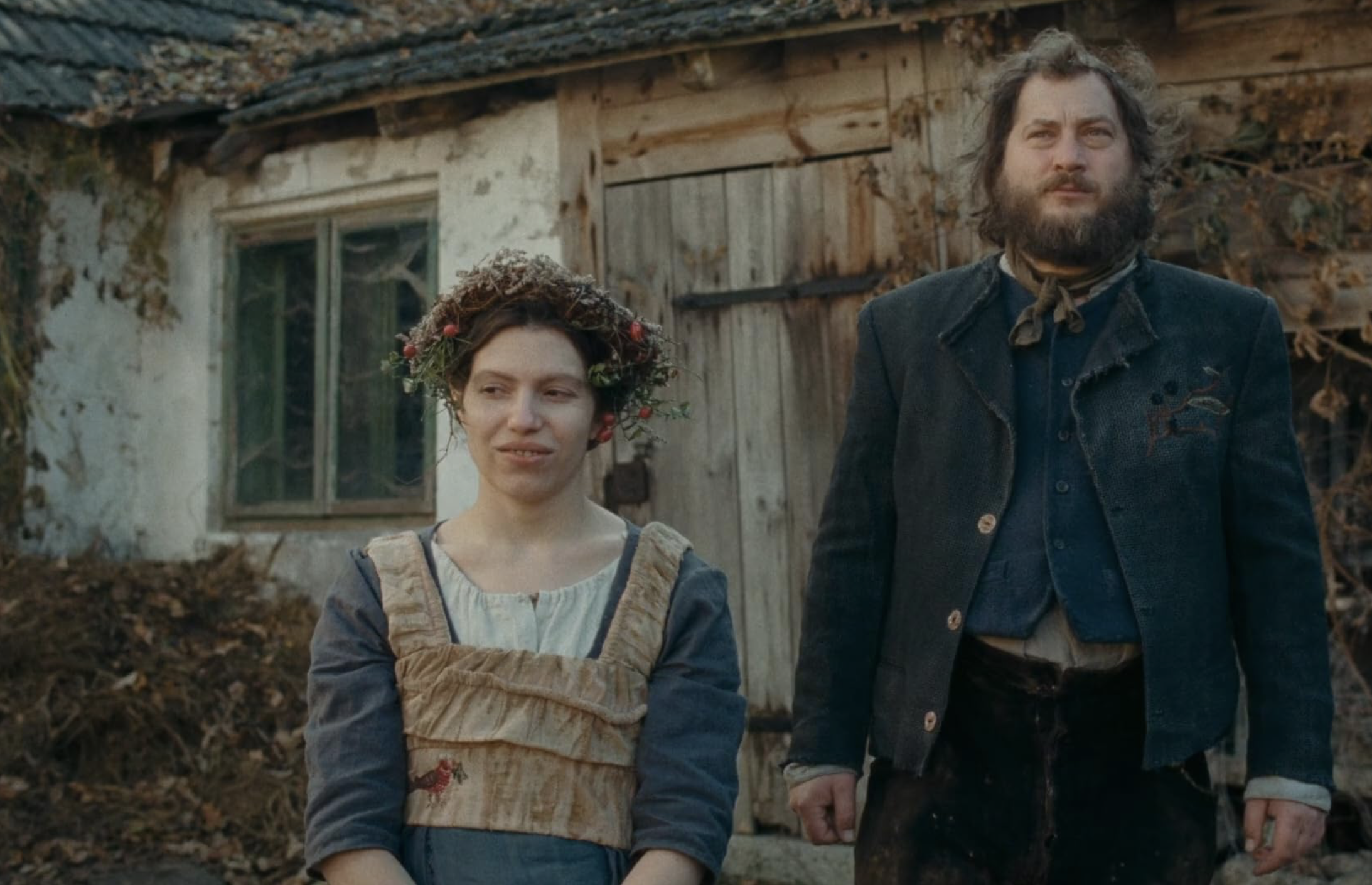
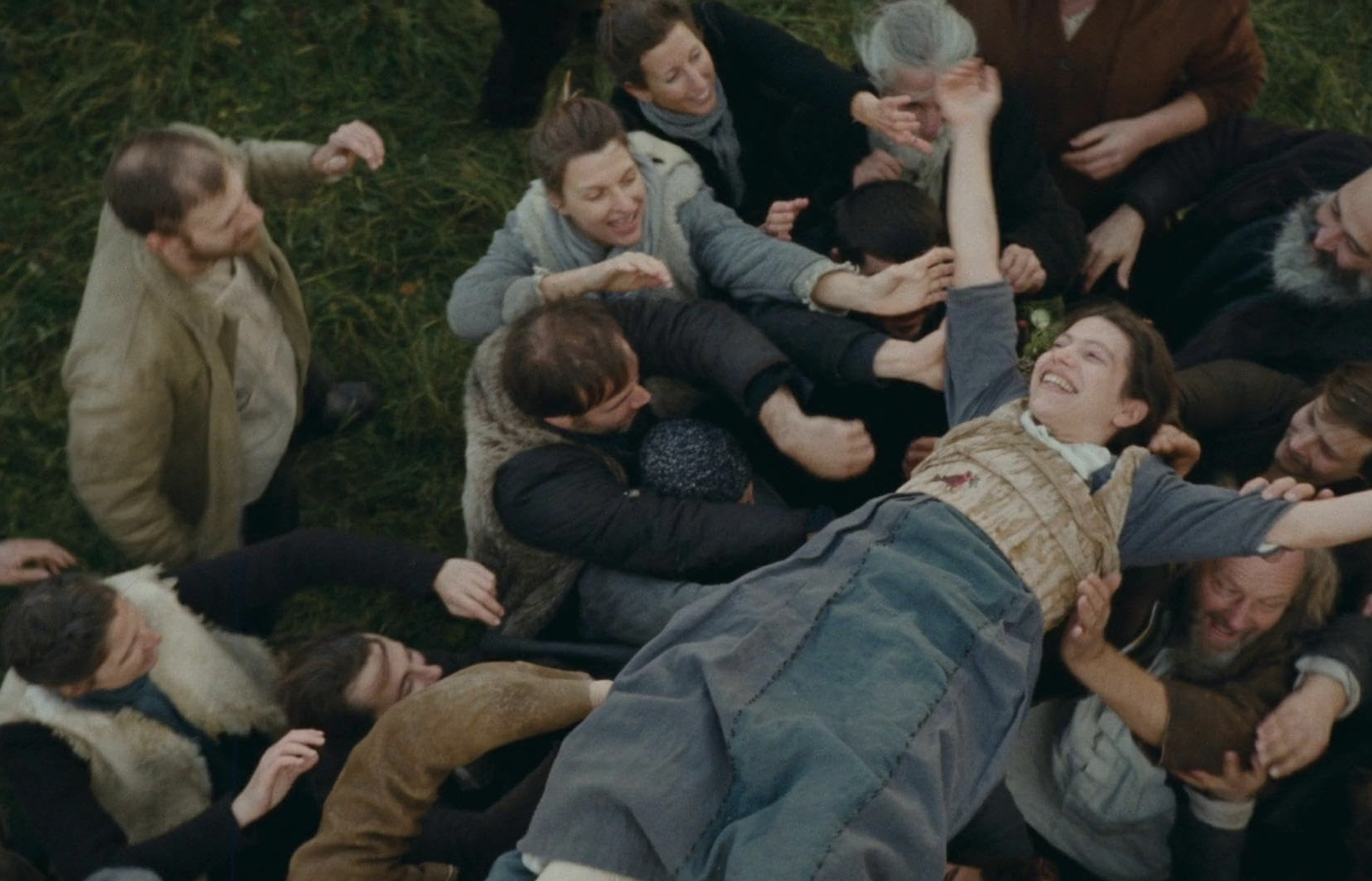
Agnes would miss her mother and her brother, but was excited for her new role as a wife and future mom. She was a devoted believer, so she would pray with more fervor now than ever to not only be a great wife to Wolf, but a great mom to the future children. The future children. The future children would never come, Agnes realized, after her marriage was not consummated; not on the wedding night, not on the following night, not on any other night. Agnes was distraught.
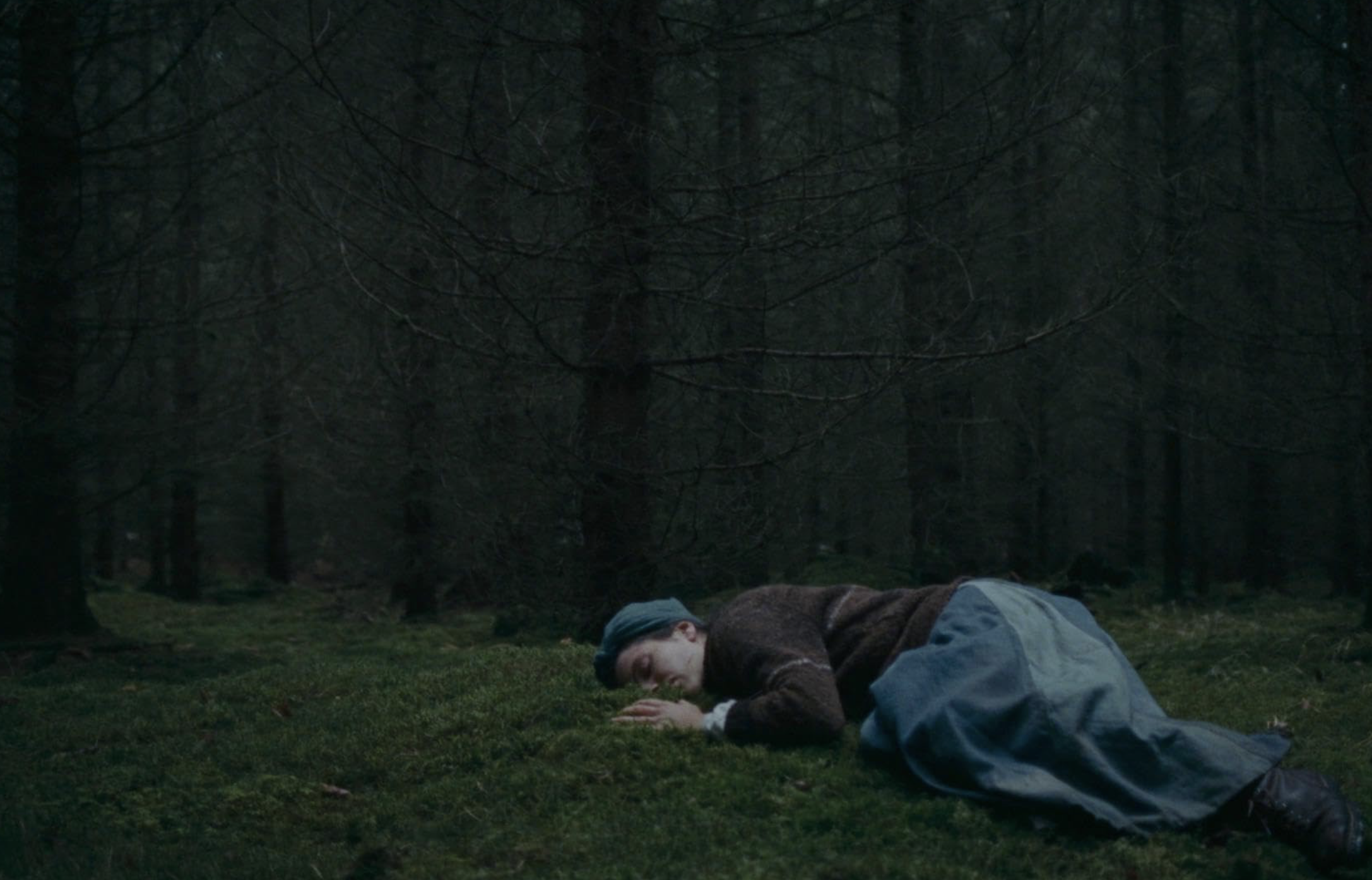
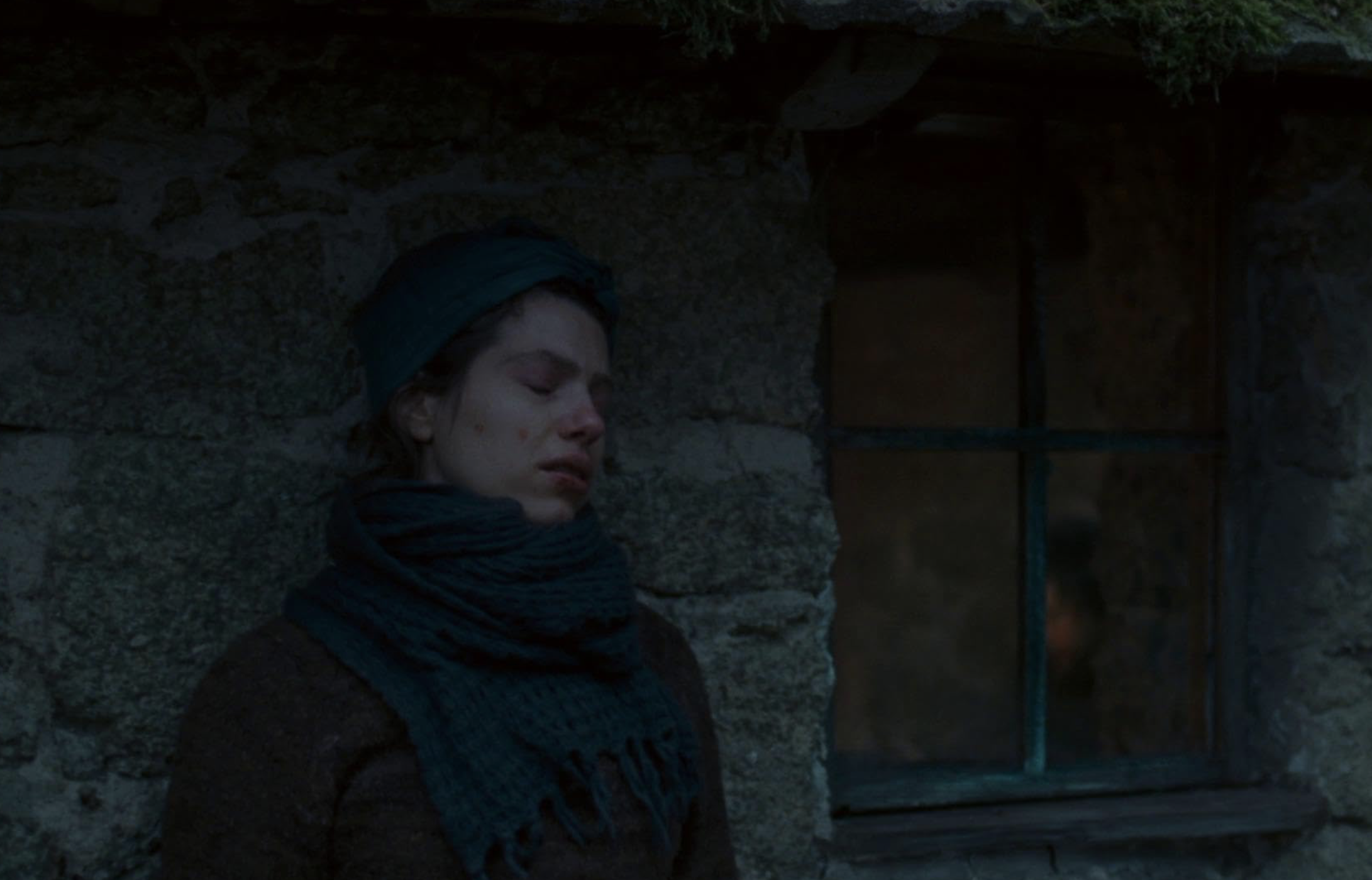
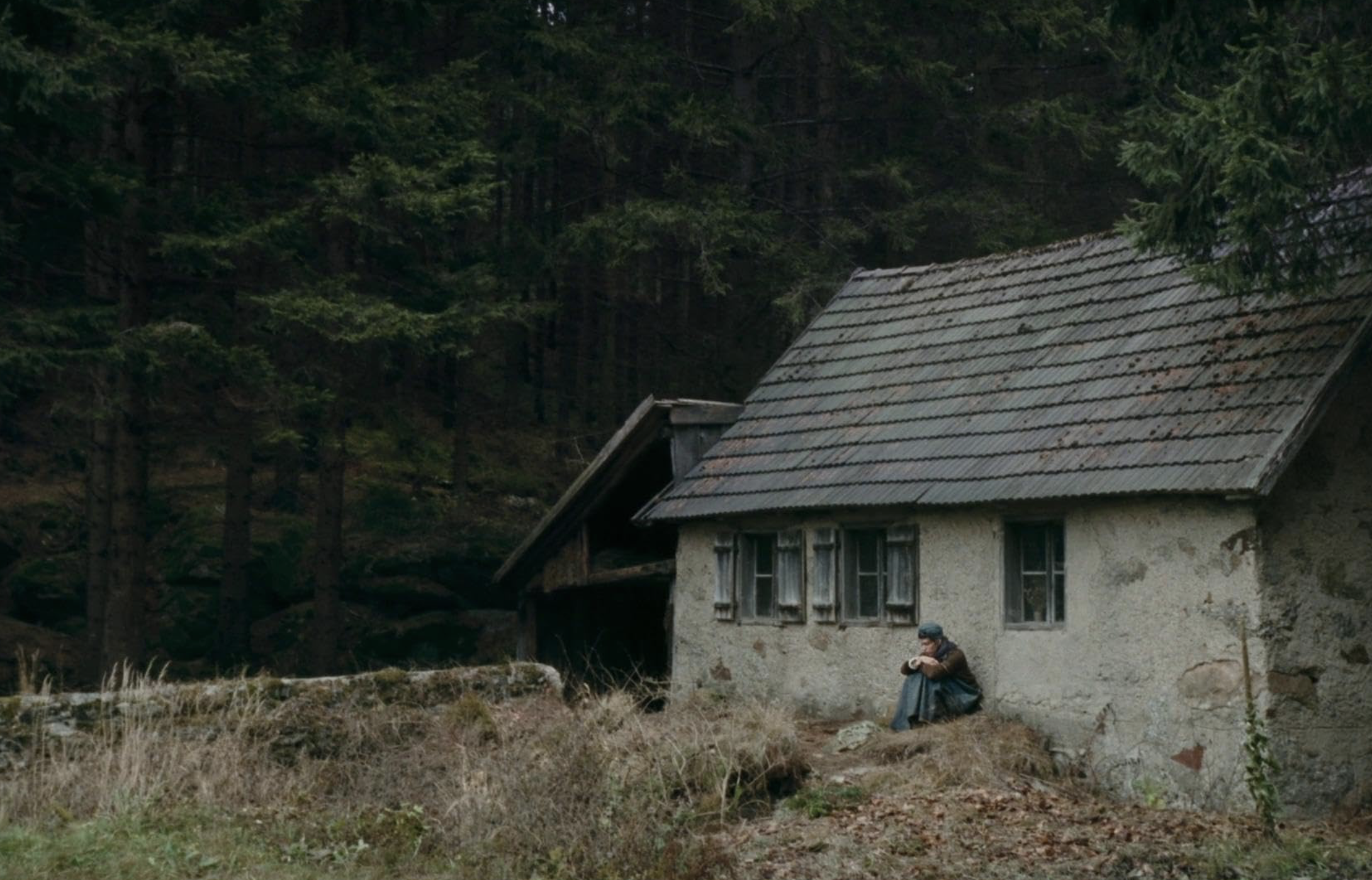
Agnes would keep her sadness and loneliness to herself, but she would pray more and go to the church more. She would still show up to work at the lake to learn the family business as fishermen, but she would be distracted while lost in thought. She would remain a dutiful wife doing house chores, inside and outside the home, but she would be more talkative to the local women, getting acquainted with the new people and the new surroundings, taking time for herself and by herself.
Even though her new life was not what she expected, it was manageable – until it wasn’t. Time passed and her husband would still not have sex with her. The loneliness in not having a close, physical relationship with Wolf would eat up at her as it meant the children would never come. More often than not, she would use her spare time to go to church to pray for things to change, but she would lose track of time and not look after Wolf or their animals, thus her mother-in-law would take over and do the cooking and the tending.
The breaking point for Agnes’s fragile emotional state happened when a friend of the family committed suicide. When the priest at the church informed the congregation that the man would not receive eternal salvation and would not be properly buried—his naked body was simply disposed of like trash, out in the open field—as suicide was a bigger crime than murder itself. How could this be? The thought of no longer being on earth brought her comfort, but she could not have that either now?
Agnes ran to her mother and to her brother and begged them to take her back as she was scared. They couldn’t. She had to return to her husband. She wouldn’t. So the brother fetched Wolf and alerted him of the problem so he, immediately and rightfully so, took her back home. Agnes broke.
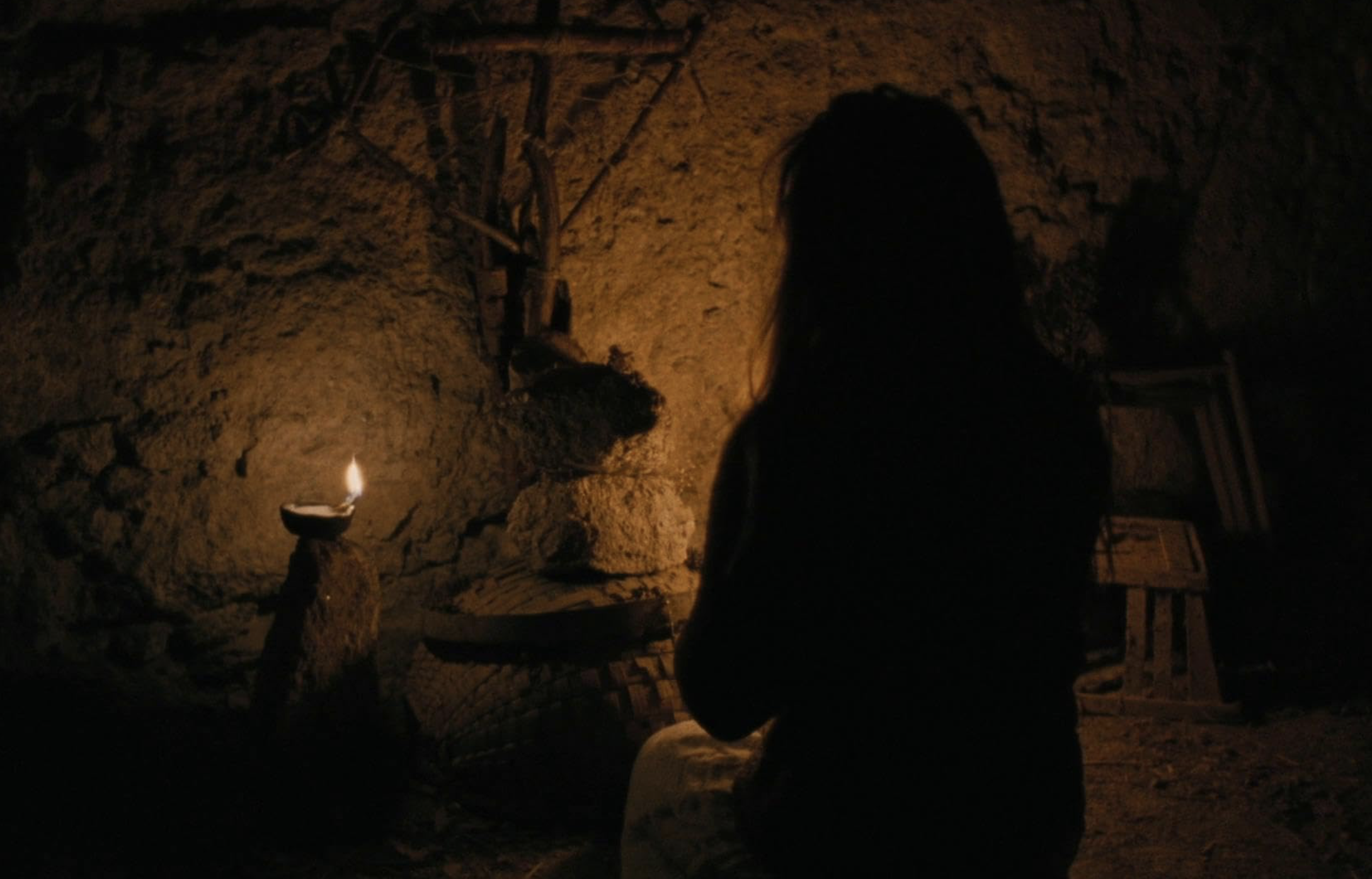
She would not get out of bed all day, she slept all day, she would not bathe, she would not eat. At night, in a hurried state she would secretly go to her makeshift altar and pray and pray and pray, and she would also, terribly and horribly, ingest very small amounts of rat poison to make herself sick, and she would pray and pray and pray that the poison would kill her quietly so no one would know what she did so she could finally die peacefully and go to heaven and get a proper church burial.
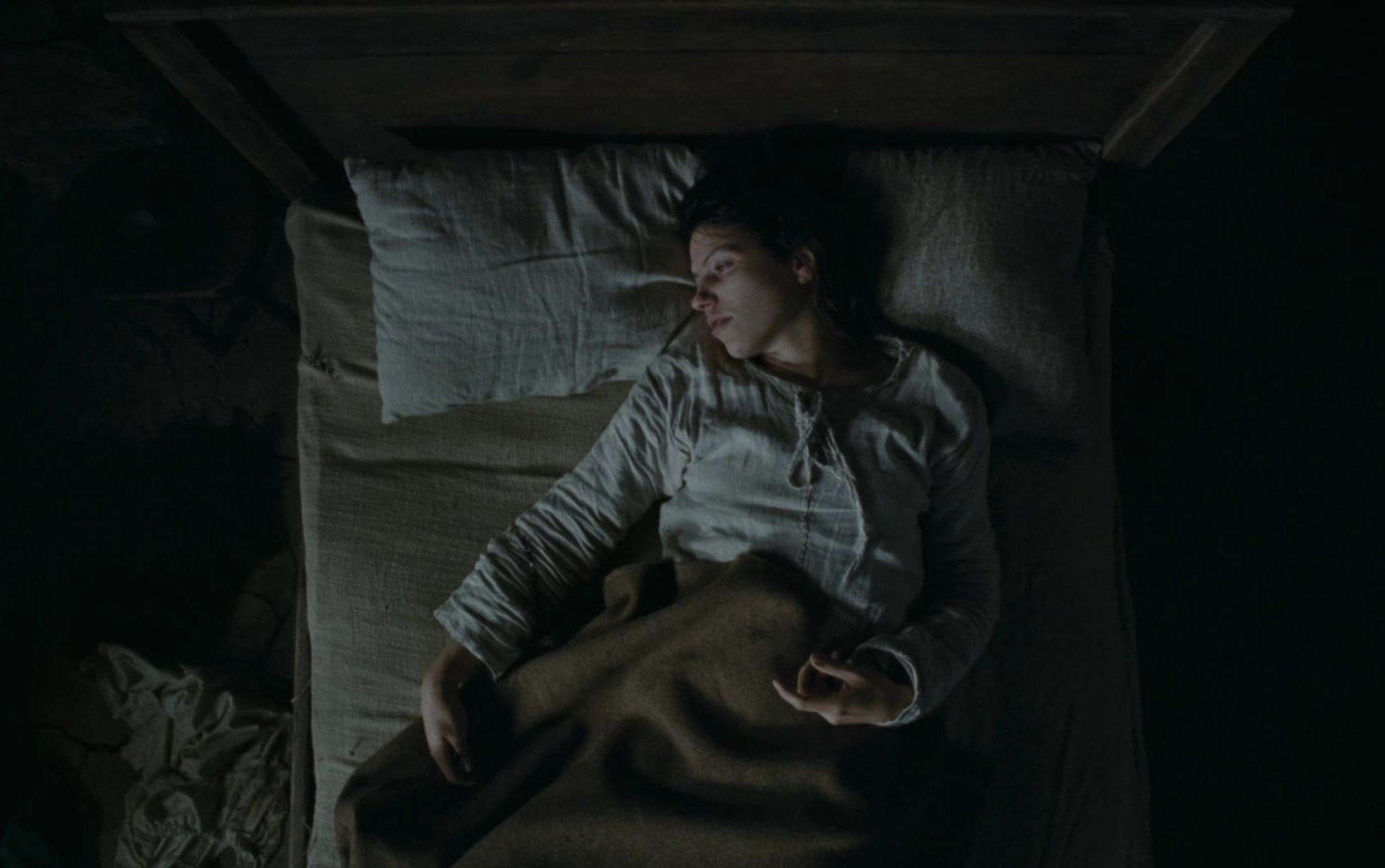
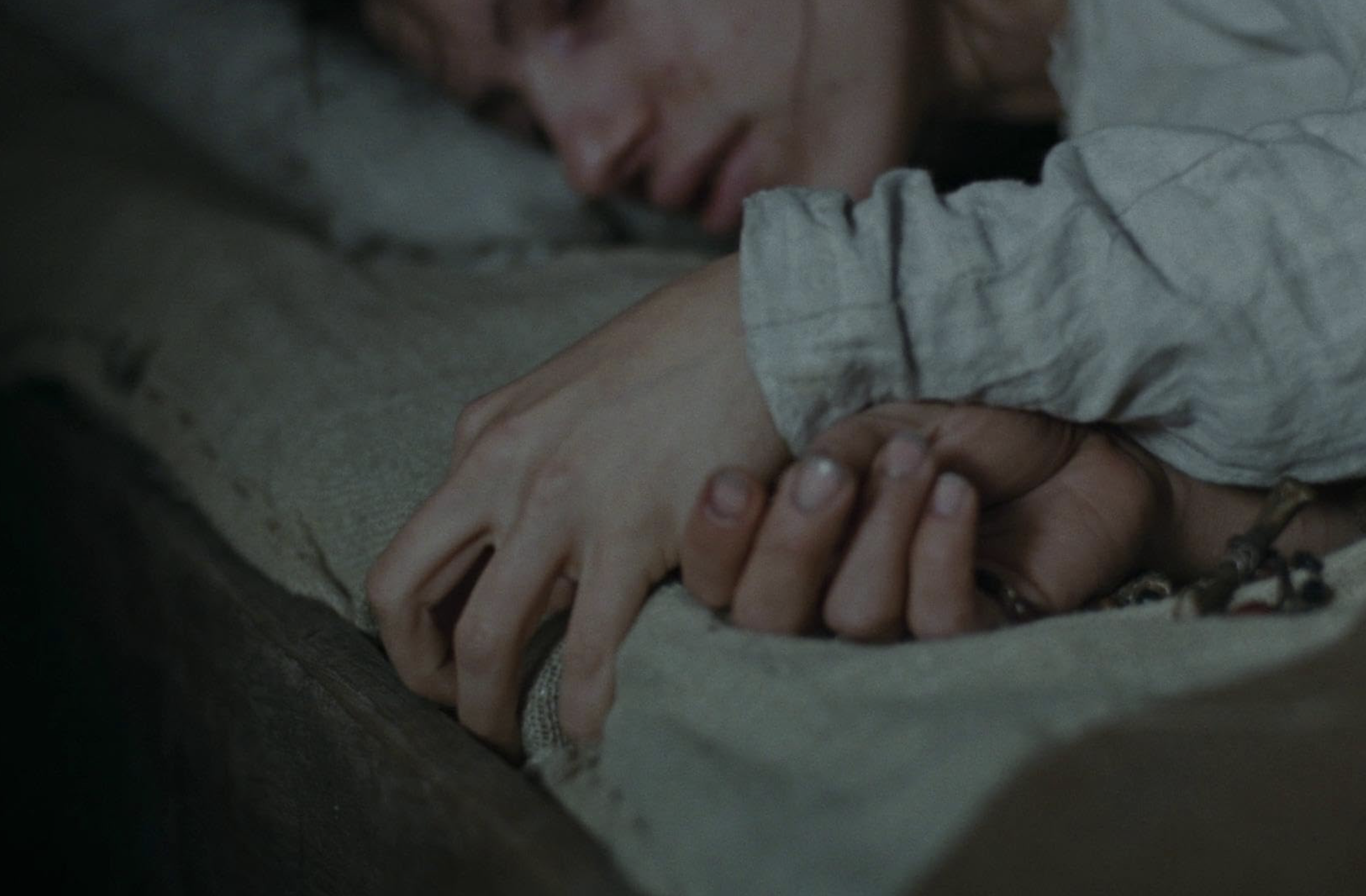

When a very ill Agnes felt death was soon approaching, she had Wolf bring the priest for her final confession at her deathbed, but the priest was not available so Agnes unexpectedly told Wolf she had been taking poison. Wolf would not have any of it. Wolf returned Agnes to her mother and to her brother. Agnes got her wish, partially.
A defeated, weak, dejected Agnes now alone in her childhood home. A failed marriage and a foiled motherhood now in the past. She officially gave up, and, with that, she also made up her mind about the only thing she knew was still fully hers and worth saving and protecting… her soul.
Even in her madness she believed in two things: one, that suicide was strictly prohibited and her soul would go to hell and her body would rot out in the open like trash if she committed that unforgivable sin, and two, that even murderers received the Christian benevolence of a last confession right before lawful execution, thus their souls would get cleansed of sin and allowed to enter heaven with the rest of the faithful. Murder was her answer.
And so, Agnes got cleaned up, quietly said her goodbyes to her mother and to her brother, and went to find a child. When she was done, she went to the officials to confess her crime. Simple as that.
When it was time for her execution, she was given the promised last confession and the priest absolved her. She was maniacally happy. She had been saved.
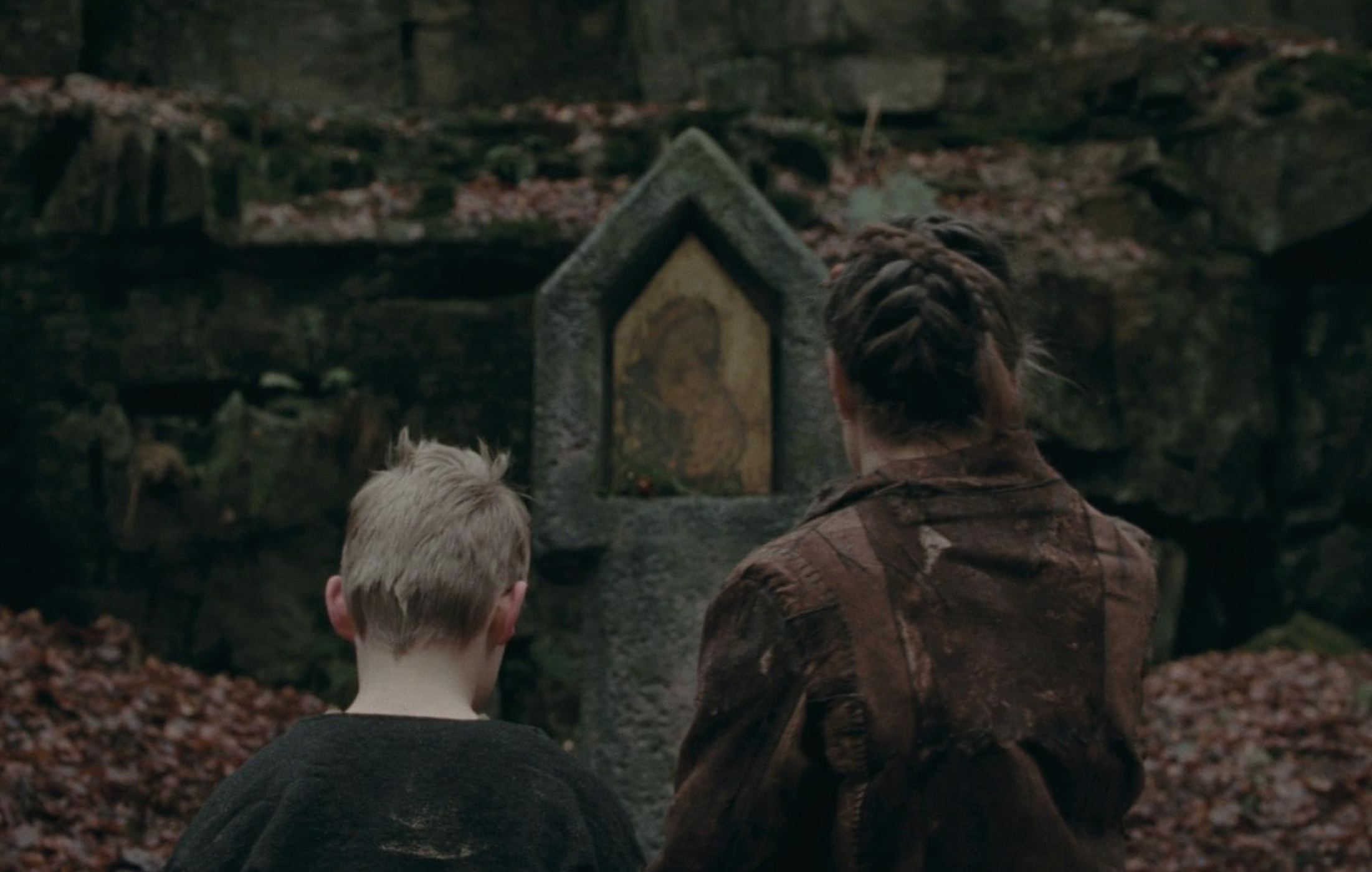
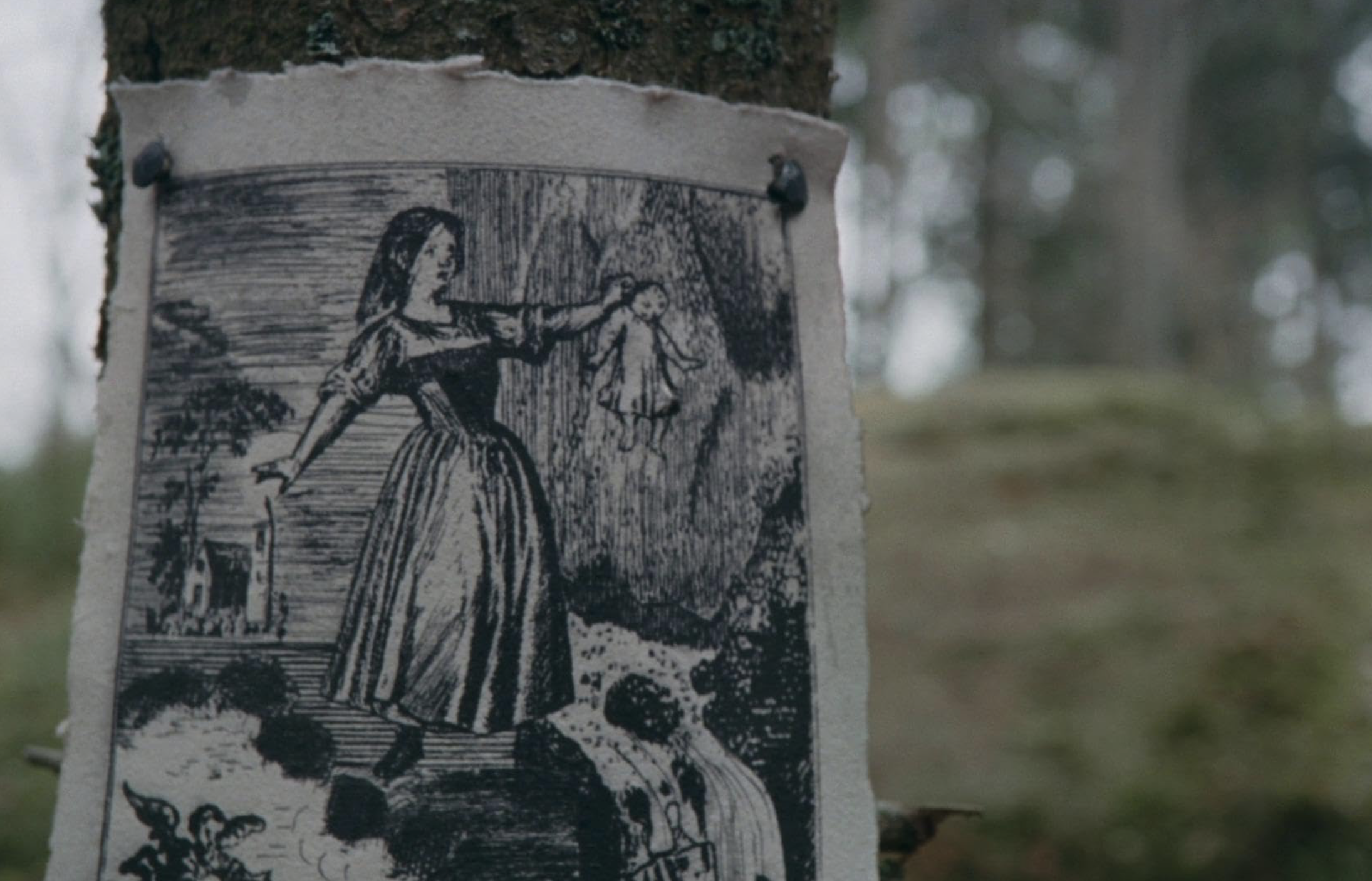

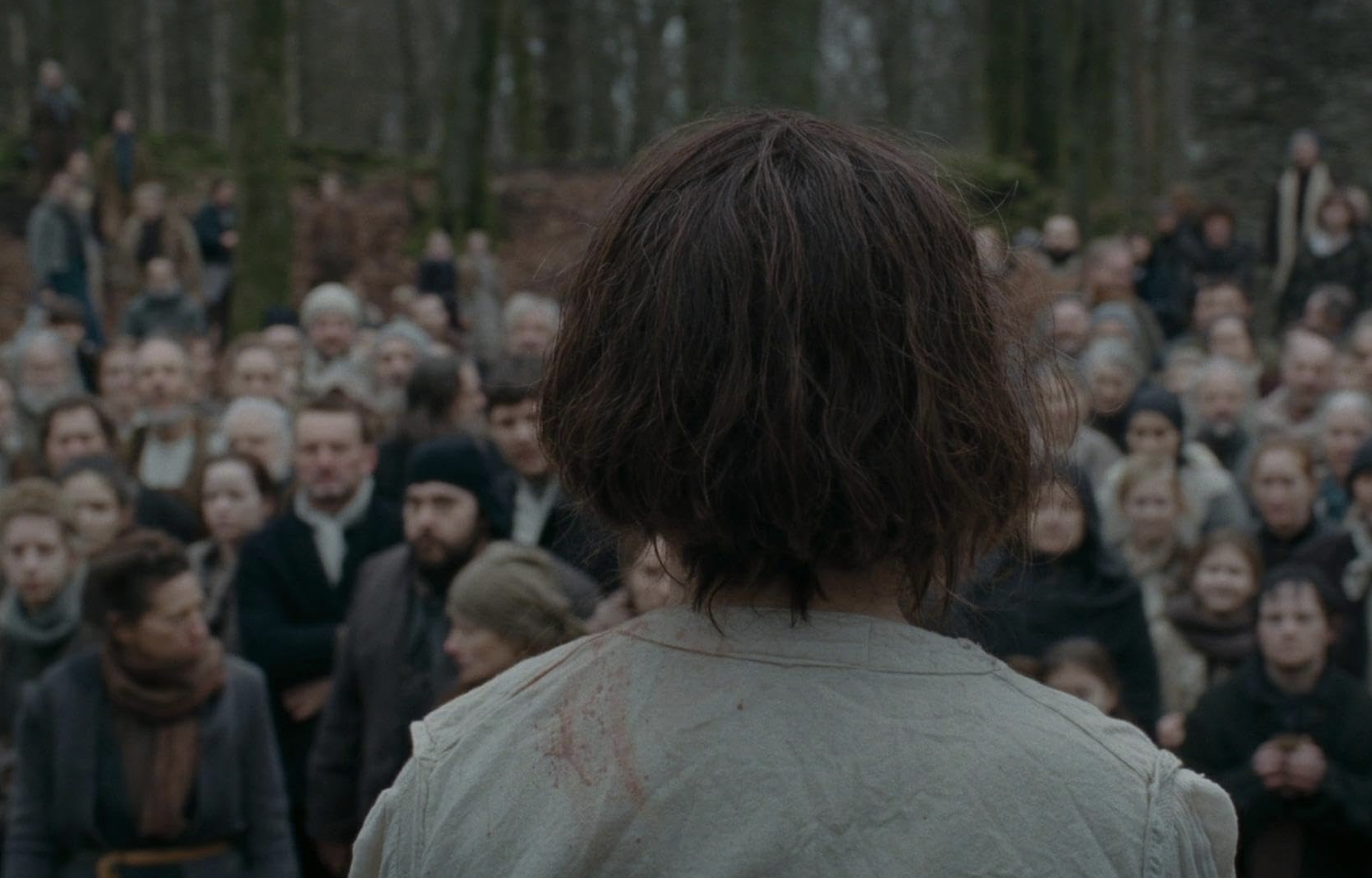

Wow… this last scene, the prison confession, was incredibly hard to watch as it showed the pain and anguish of someone dealing with extreme religious fears. When the priest absolved Agnes I felt—I promise you, I did—such a heavy weight leaving my body. As she started laughing and thanking God, I exhaled with satisfaction. Nothing mattered anymore to Agnes, nothing needed to matter anymore. She did it. She won and got away with it: suicide by proxy. She will die and go to heaven forever and ever, amen.
“LORD, HAVE MERCY ON AGNES. I ABSOLVE YOU FROM YOUR SINS. IN THE NAME OF THE FATHER, THE SON, AND THE HOLY SPIRIT. AMEN. AGNES, GODSPEED.”
In Love and Fear,
—Marath
© 2016-2026