Japanese horror is the superior horror, period. That is why when you hear me say that an original American movie had J-Horror vibes, it is the highest praise I could ever give to it. So, my dear horror friend, please join me today in complimenting The Woman in the Yard (2025) which, at five minutes into the movie, became my favorite release of the year.
The story focuses on Ramona, a widow struggling with mental illness, a farmhouse she does not want, and two kids. She used to be a painter back in the city. Even though she did not have the clarity and courage to tell her now-late husband she rather stayed there, she made sure to be passive-aggressive about the topic whenever she got into one of her moods. It cannot be stressed enough how talented Ramona was as an artist, and how miserable she was as a person.
She had trouble coping with everything, now more than ever, and her kids gave the impression of running the house themselves. The teenage son made sure to wake her up, feed her and her little sister and himself, feed the chickens and the dog, and, had he been a couple of years older, he would have known how to maintain the truck, pay the bills, and, most importantly, reaffirm his position as the new man of the house who had not only the instincts, but also the ability, to keep everyone safe. But he was just a boy, maybe fourteen, fifteen max. And the sister was just a kid, maybe six? Young enough to not know how to write properly yet, but smart enough to understand that her father was dead and would not come back. Smart enough to be on high alert whenever her mother had a bad day, staying small and quiet when the yelling and fighting and the throwing of things started.
Ramona prayed every morning that she had the strength, not to get out of bed, but to end it all. TODAY IS THE DAY.
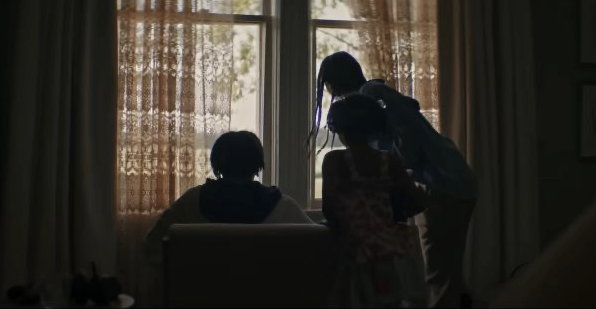
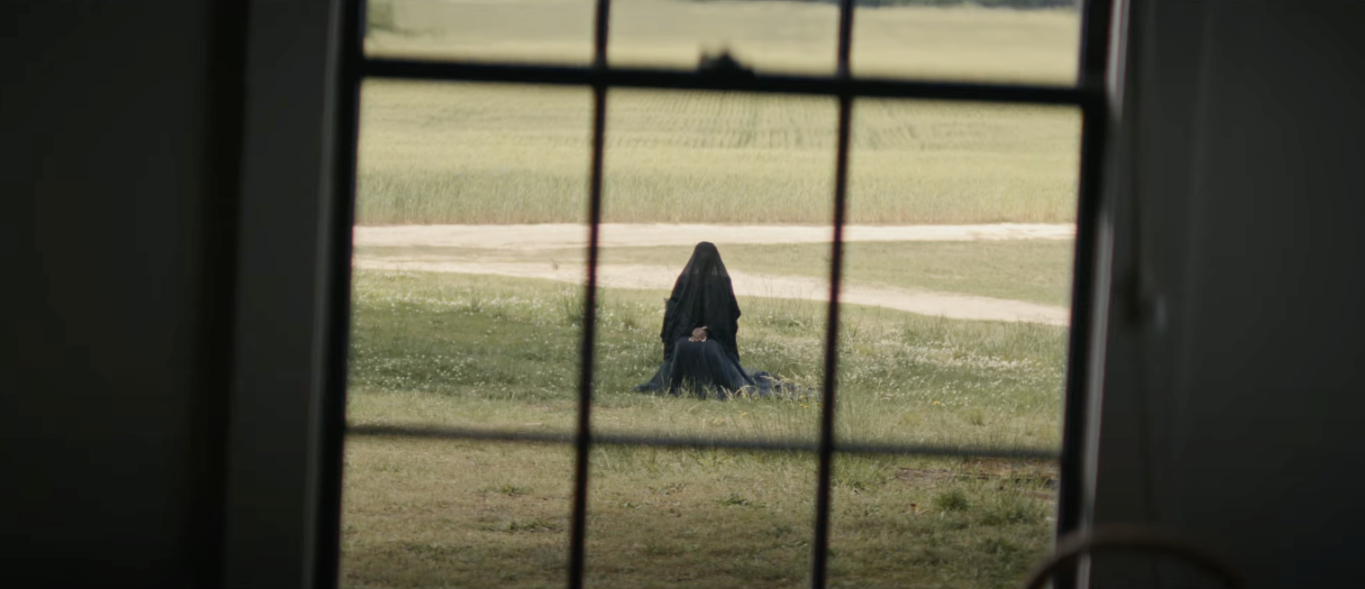
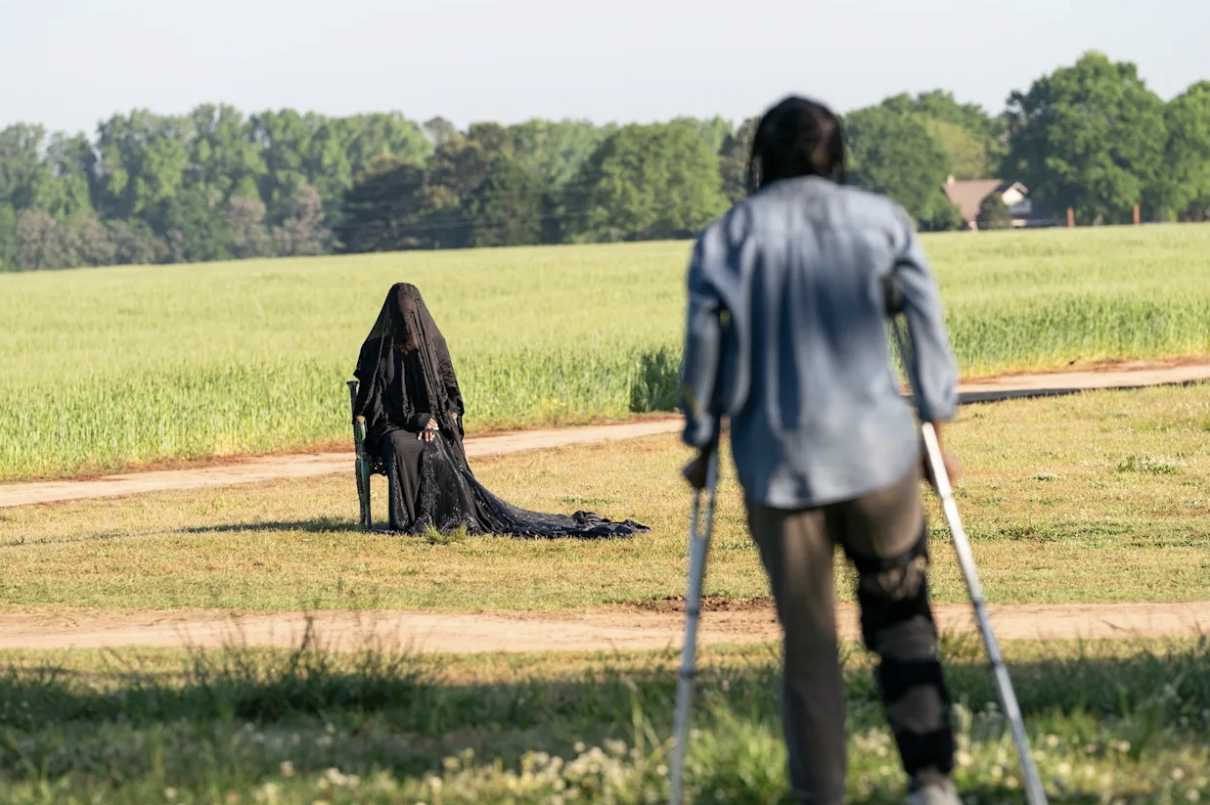
An unknown woman appeared on the front yard. She was wearing all black. She was covered completely in black, head to toe, in a warm and sunny day which made it more unnerving. Jarring. A clear threat. You see, the farmhouse was in the middle of nowhere, with no neighbors for miles, a big house with two children, and a mentally unstable, suicidal, invalid mother still in crutches due to being in the car accident that killed her husband. They were sitting ducks. They could not call for help either as the power had been cut off due to lack of payment, the cellphones were out of battery, the truck was unable to start, and the shotgun was out of shells, except for one. TODAY IS THE DAY.
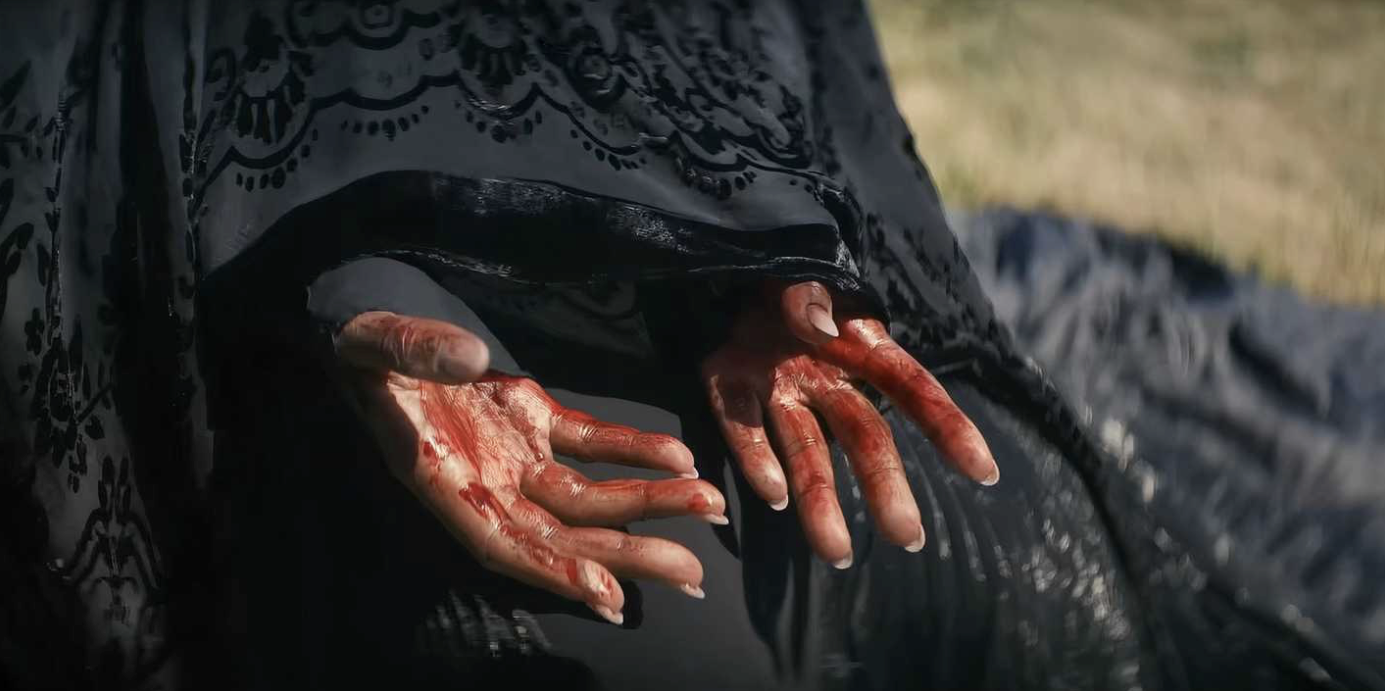
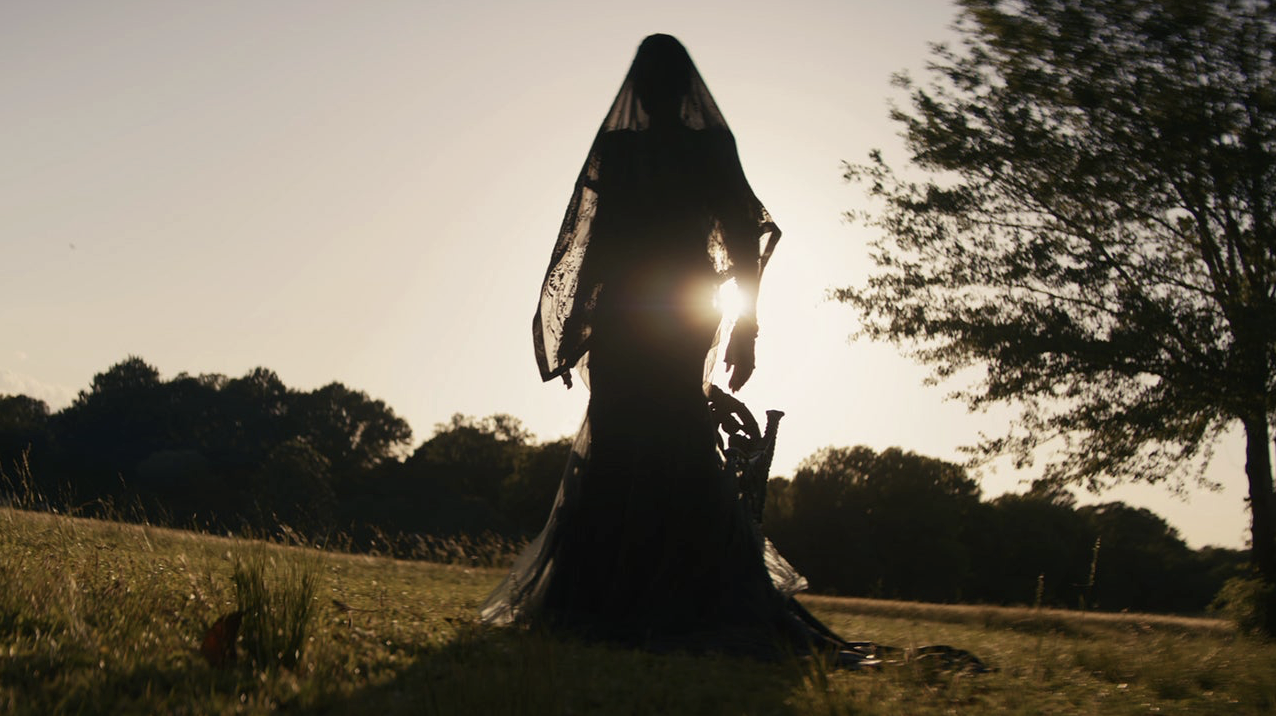
The woman in the yard was particularly threatening to look at as her attire evoked two foreign visuals: Victorian-era mourning rituals, and middle east dress codes. To witness that in rural America would be, to put it politely, quite a peculiar sight to see.
As you have guessed it by now, the woman in the yard was Ramona’s death. Ramona felt her kids would be better off without her. She was impatient with them and seemed to not know how to love them. She hated her life. Maybe she missed her husband, and maybe she felt guilty for having been the one driving angrily—while not paying attention to the road—during that rainy night. Maybe she wished it had been her who died. TODAY IS THE DAY.
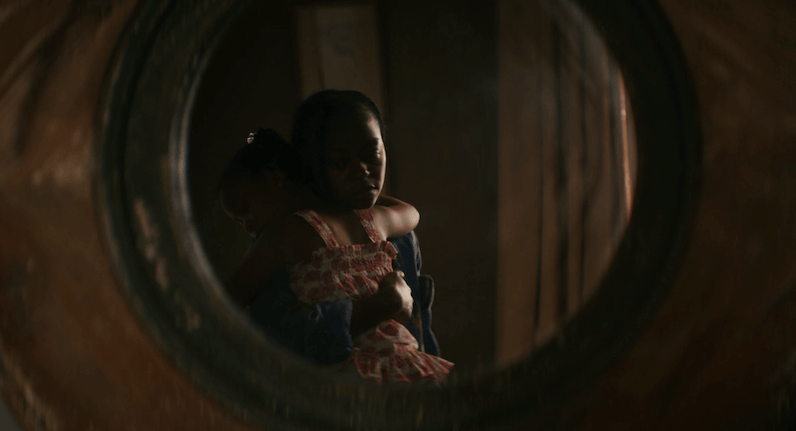

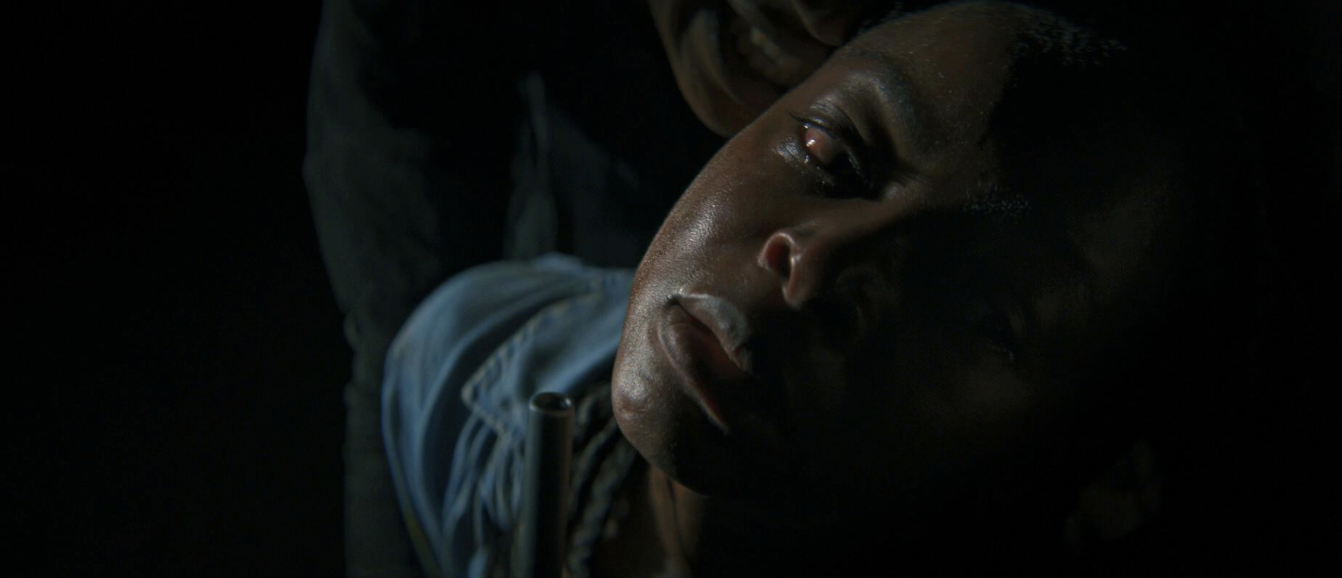
Dread. Despair. Isolation. A broken soul. A broken body. The supernatural fighting the living and winning. Death. That is what I call top-notch horror. #jhorrorvibes
The ending was almost perfect. The only thing missing was the sound of the shotgun blasting and echoing across the night. It was quite frustrating not having that detail in the film, as it would have made the story more compelling and effective. Because one thing is for certain, the reality of suicide is horrendous and heart-wrenching, and the more you are exposed to how nasty it is, should you ever feel compelled to think about it for yourself, the more you would realize how wrong and messy and ugly and destructive it is.
Don’t be like Ramona, and instead contact the “988 Suicide and Crisis Lifeline” for help (just text 988 on your cellphone to get connected). It might not feel like it right now, but a universal truth is that your life (and my life, and your neighbor’s life, and each and every human life ever to exist) is valuable and worth fighting for, I promise you that.
You, dear children, are from God and have overcome them, because the one who is in you is greater than the one who is in the world. – 1 John 4:4
In Love and Fear,
—Marath
© 2016-2025