Winners and Losers – THE UGLY STEPSISTER (2025)

This movie reaffirmed a simple fact about happiness if you want to achieve it: DO NOT be someone you are not. Clear and to the point. Let’s begin.

Hello friend, thank you for stopping by, it is nice having you here. Today, I would like to talk about the Norwegian body horror-ish movie The Ugly Stepsister (2025) which tells the classic Cinderella fairytale, but all while focusing on the supporting character of the older stepsister, Elvira. To reiterate, even though Elvira was the main character in this new film, the story was still pretty much about the old Cinderella fairytale we all watched as children, so it ended just as we remembered it: with Cinderella getting the prince and living happily ever after.

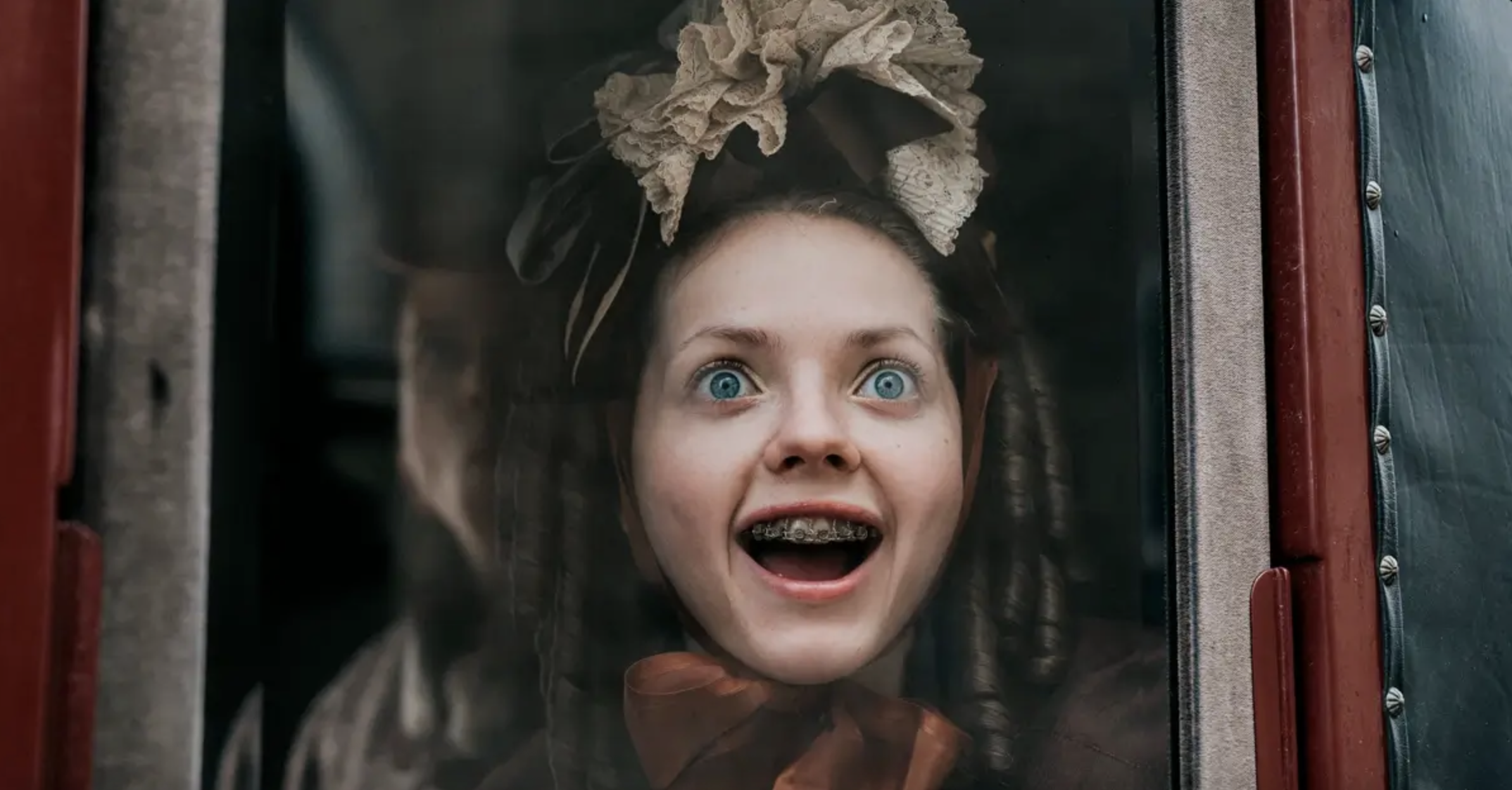
But who was this Elvira person? She was a happy, immature eighteen-year-old, still wearing braces, big curls, with a big appetite, average face, naturally curious, extroverted, naïve, an avid reader, a good daughter, and a good big sister. And like all the maidens in the kingdom, she was infatuated with the handsome young prince thanks to his writings published in poetry books. She often daydreamt about him and it was lovely.
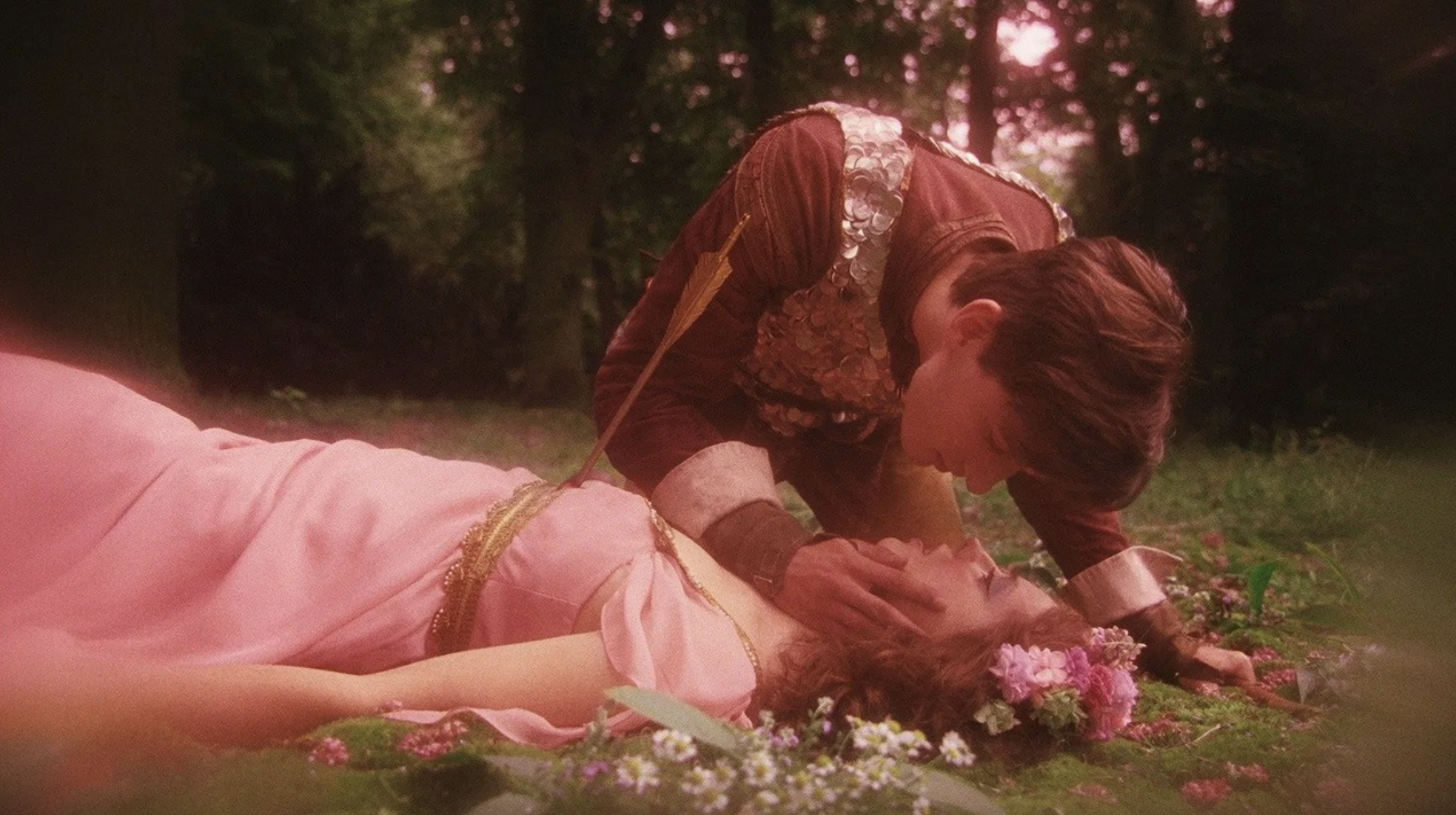
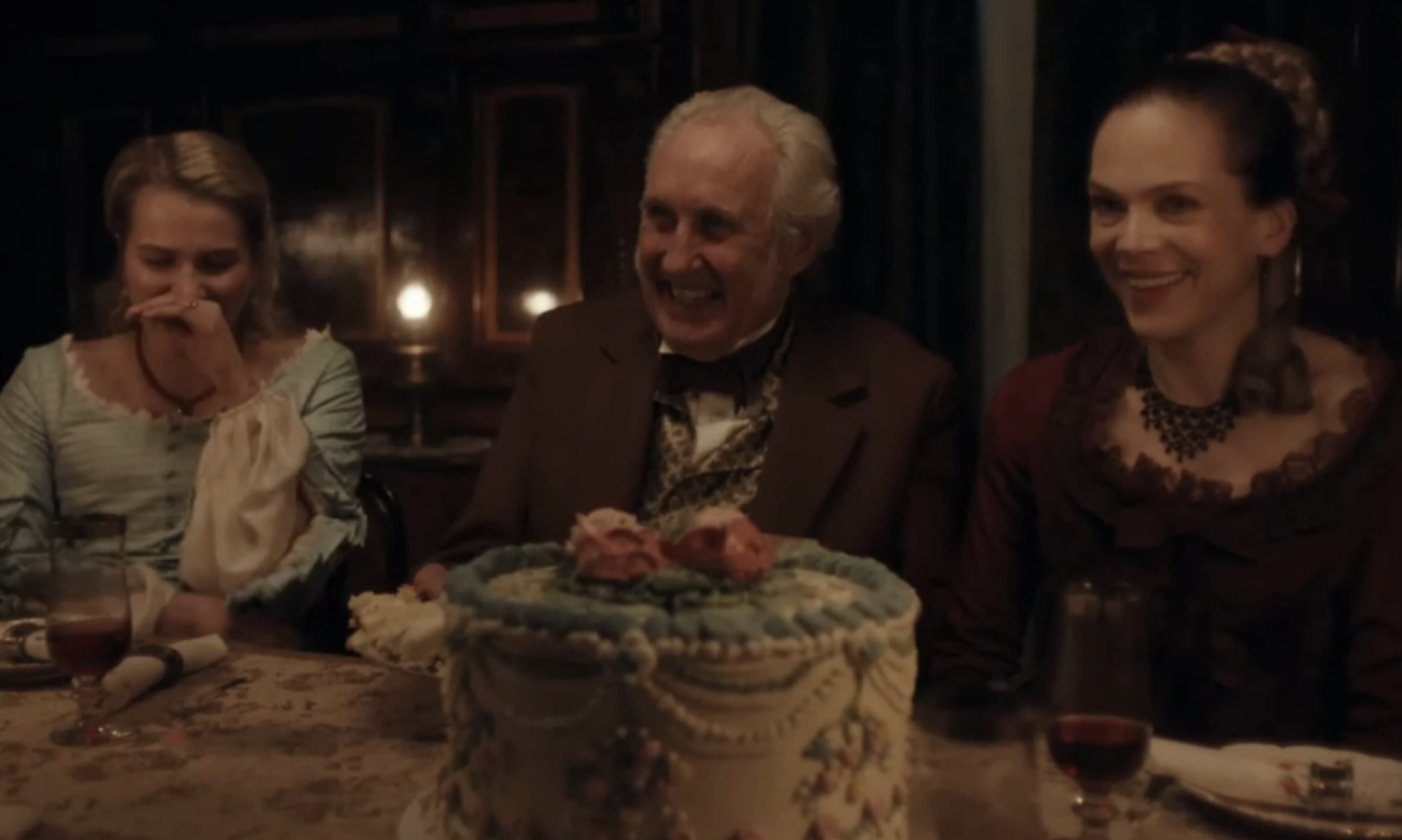
The problem with Elvira started when her mother remarried the local widower out of convenience, more specifically, after the mother found out—thanks to him dying unexpectedly of a heart attack—that the widower, her now late new husband, was penniless and their path to immediate financial security relied on the daughters marrying a rich man, or better yet, a rich prince. When the mother realized her prettier, younger child was too young to participate in matchmaking, her efforts focused on her less pretty, yet, age-appropriate older child, Elvira. For the record, Elvira was healthy and normal, and considered ugly and defective only by her own mother.

Witnessing Elvira’s journey from a happy young woman to a wretched one because of her selfish mom was, simply put, infuriating. I wanted to yell at the screen on more than one occasion, plead angrily to Elvira to just say No, mother! and run away from her destructive home. (Spoiler alert: that was exactly what the younger sister did at the end, so it was ultimately somewhat satisfying for me, I guess.)

Right, Elvira started second-guessing herself when her mother called her ugly and made her get cosmetic procedures: braces removal, nose job, eyelash extensions. However, she really started changing for the worse when the ballet instructor moved her all the way to the back of the class for being fat, and kept Agnes—her beautiful and svelte new stepsister—on the first row. Elvira was not fat, maybe a tiny bit plump, but that would have been also an exaggeration to say. Regardless, the finishing school headmistress gave her a tapeworm egg for her to ingest (ew) & help with losing weight quickly and without effort (o-o-o-ozempic).

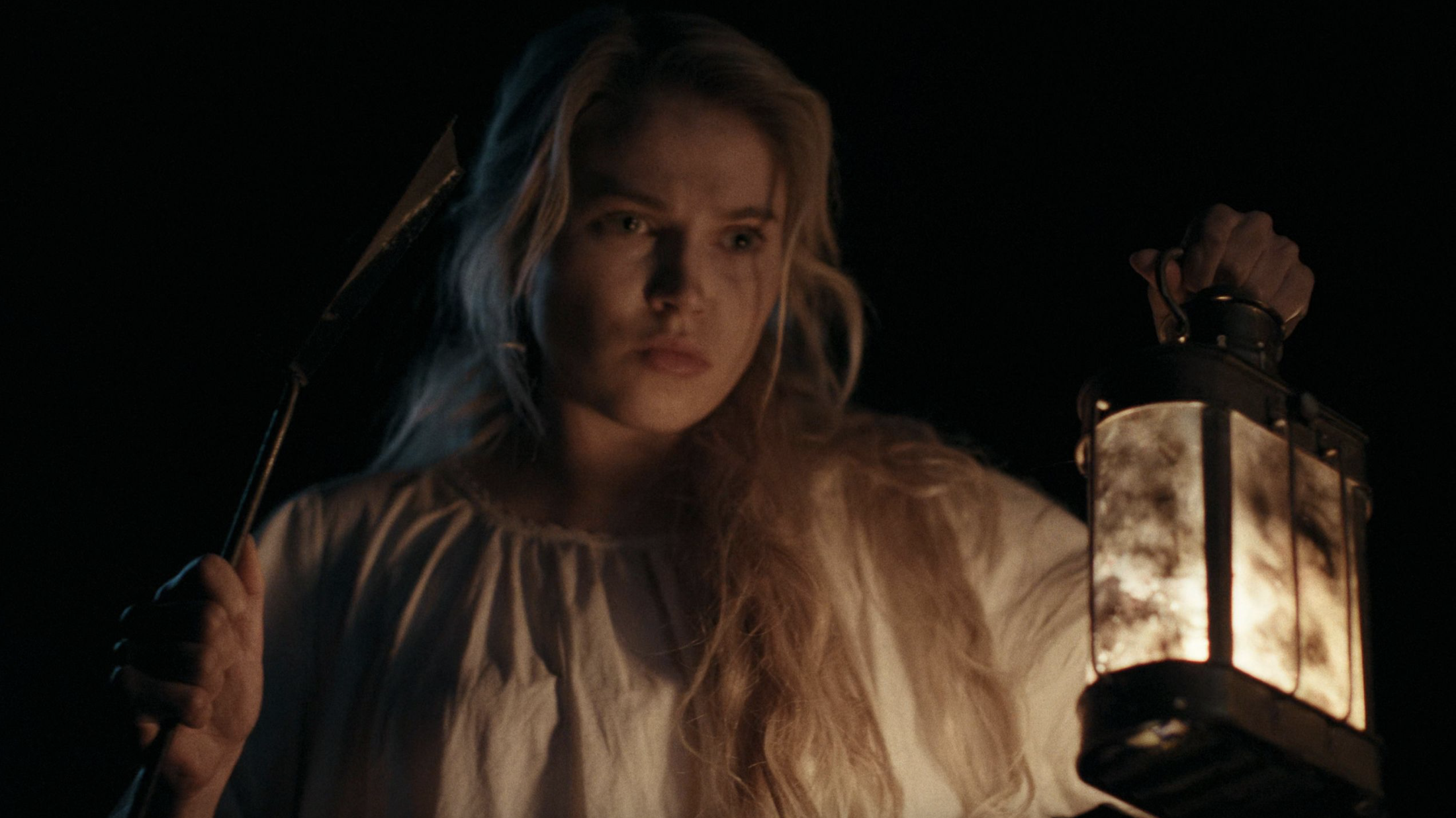
Elvira, after three months of nursing a [primitive by today’s standards] nose job, was able to see in the mirror the perfect and enviable results. Her eyelash extensions had brought her much pain and temporary blindness, but had fully healed by now as well. She was thinner also as the tapeworm had worked as expected, even though it kept her hungry and malnourished, and made her hair fall out by the fistfuls due to said malnutrition. By the way, the ballet instructor noticed her new body and face and gave her the lead role as a reward. Elvira was gorgeous now, in her complete fabricated form: no braces, no big nose, no extra weight, beautiful eyelashes, and beautiful blonde wig (needed to cover the bald spots). From the outside, Elvira was a fake Agnes, except, of course, that Agnes was all natural and beautiful not only on the outside, but on the inside, even after all she was put through at the unfair, dishonest, and cruel hand of her unloving, selfish stepmother & ugly stepsister.
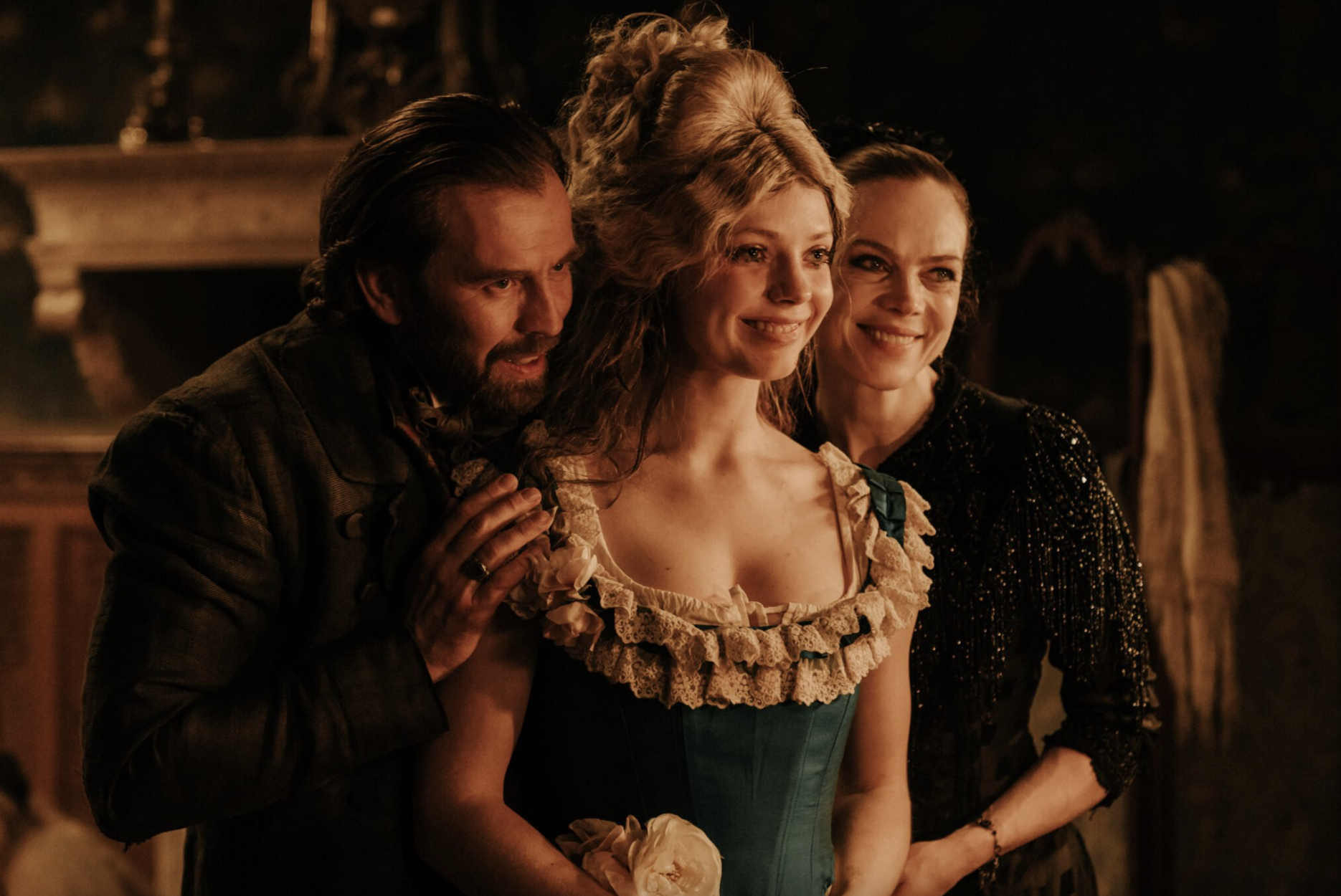
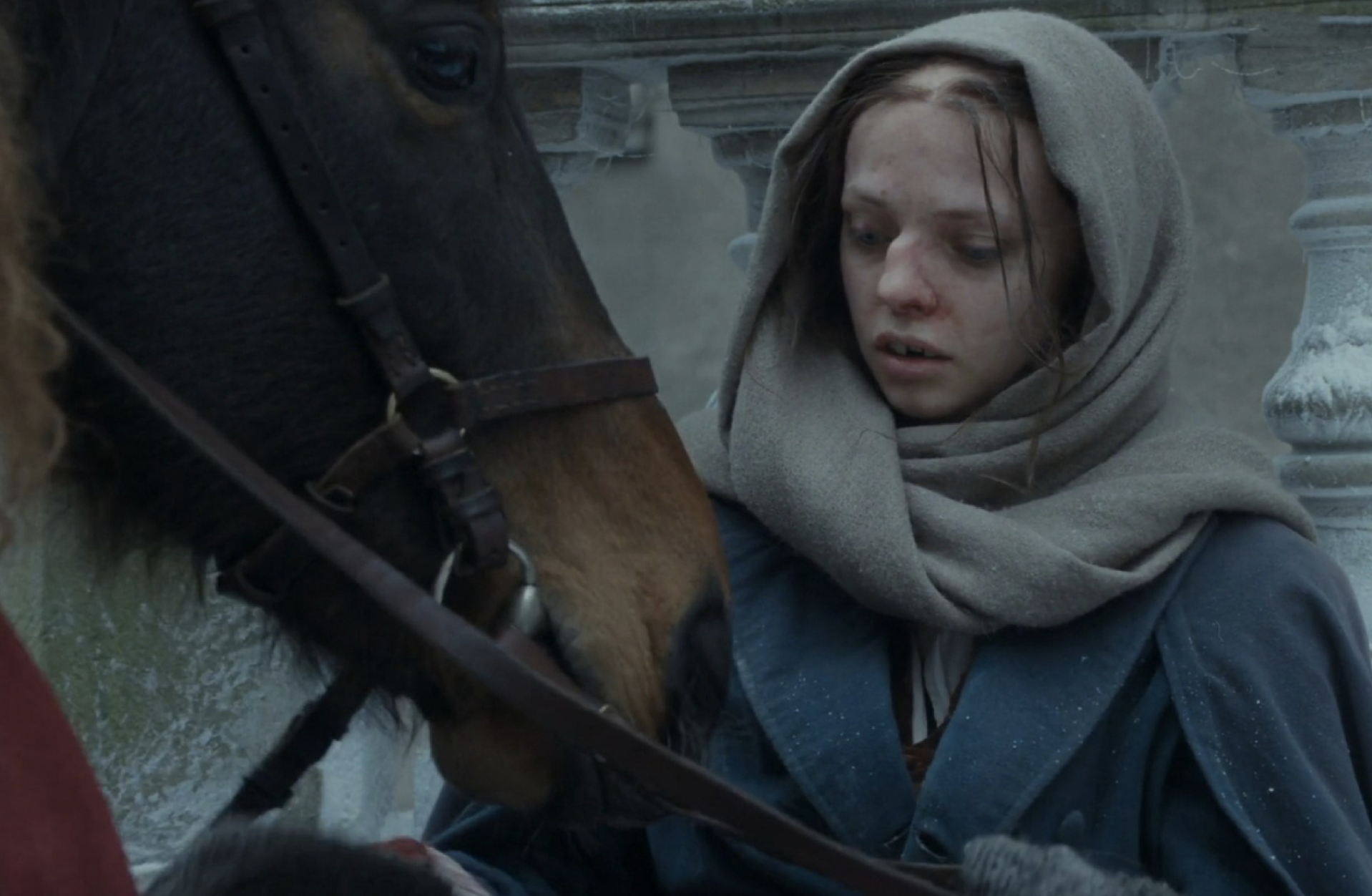
But who was this Agnes person? She was a kind and beautiful young woman, level-headed, well-mannered, hopeful, smart, traditional, religious, resilient, and, most importantly, a good daughter. She was also madly in-love with the stable boy and enjoyed a full, mature relationship with him (even though he and Agnes knew she would end up marrying someone much better than him, someone like a prince). When her father died, she mourned him deeply, but continued being kind. When she was made the house maid as punishment by her new stepmother for getting caught sleeping with the stable boy, she kept her head up high, worked hard, and remained being kind. Whenever she was kept isolated (no more school or ballet classes, no royal ball either) and heartbroken (the stable boy was fired and cast out of the manor), she sang quietly in gratitude and made the farm animals—her faithful work companions—her new friends, and remained kind.

Agnes was ordered by her stepmother to do personal tasks for Elvira which reduced her to a mere servant. Elvira, in disdain, mocked her and called her by the vile name of Cinderella (meaning, dirty girl by the cinders) and rejoiced in humiliating her. Elvira, in red-hot jealousy, celebrated Agnes misery. Agnes did not react, but simply kept busy and carried on. Later, when Agnes was aggressively harassed by Elvira’s ballgown dressmaker, she firmly refused his brutish advances and spat on his face; in return, he called her a whore and slapped her with force, but she did not react further, just got up and moved on.  

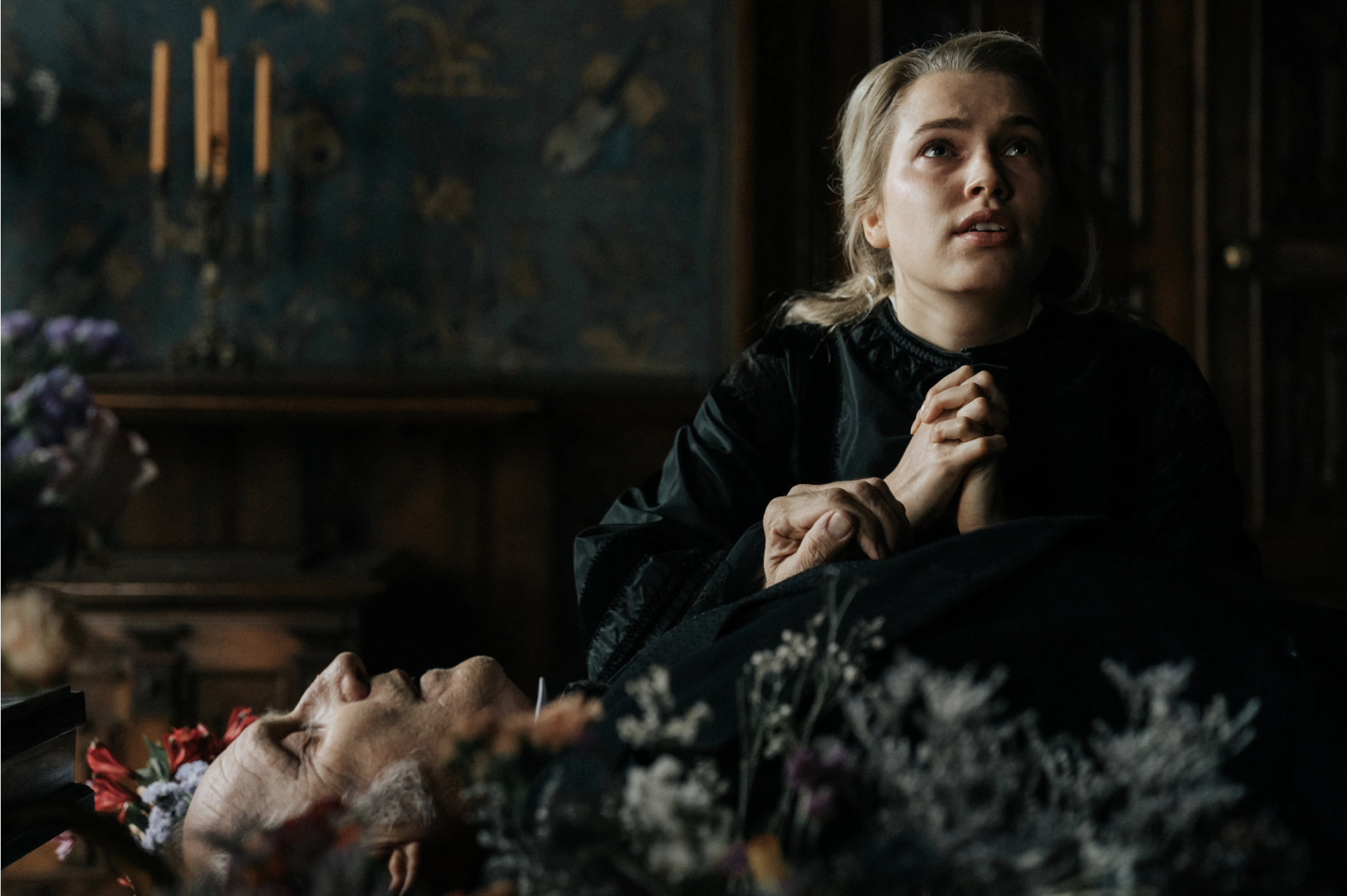
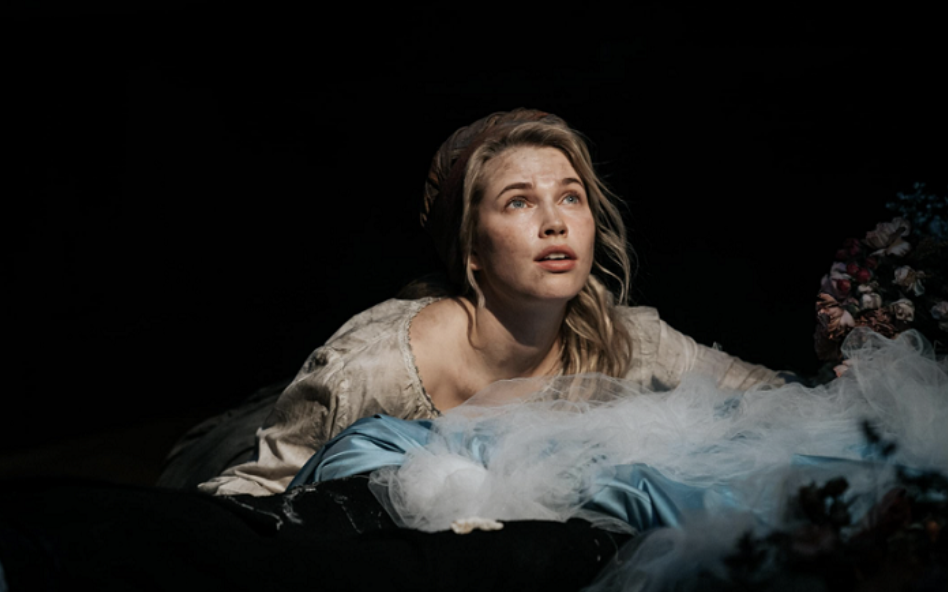
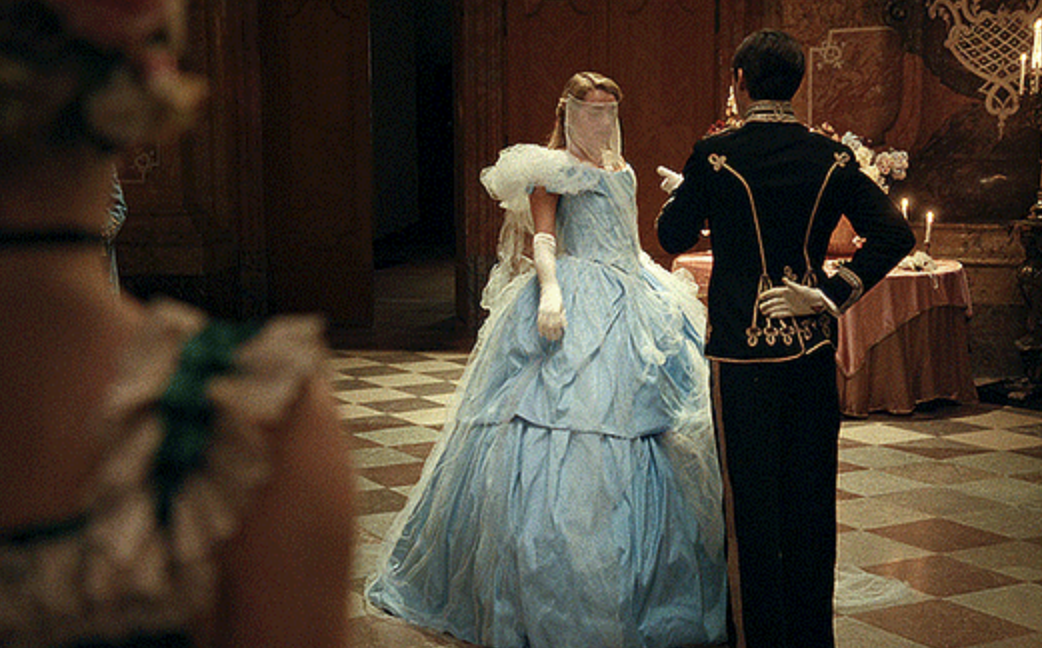
Then, before the big day at the royal ball, and in the middle of the night while everyone was sleeping, a nostalgic Agnes quietly retrieved her old blue dress and baby shoes, but Elvira, after binge eating again in secret to satiate the tapeworm inside her, caught Agnes in the act and took the dress away from her and tore it, rendering it unwearable. Brokenhearted, Agnes ran into the room where her father’s decaying corpse was (the stepmother did not spend a penny on a proper burial), and cried and held tight to her chest the destroyed dress, she cried and pleaded to her dead father and mother, she cried some more and prayed and prayed… when all of the sudden her guardian angel (her mom’s spirit) showed up and magically repaired the dress and made it into a full evening gown, and transformed the old baby shoes into delicate heels for the ball. This was the classic Cinderella moment: an impossible wish granted, and a warning given—you shall be back before midnight.
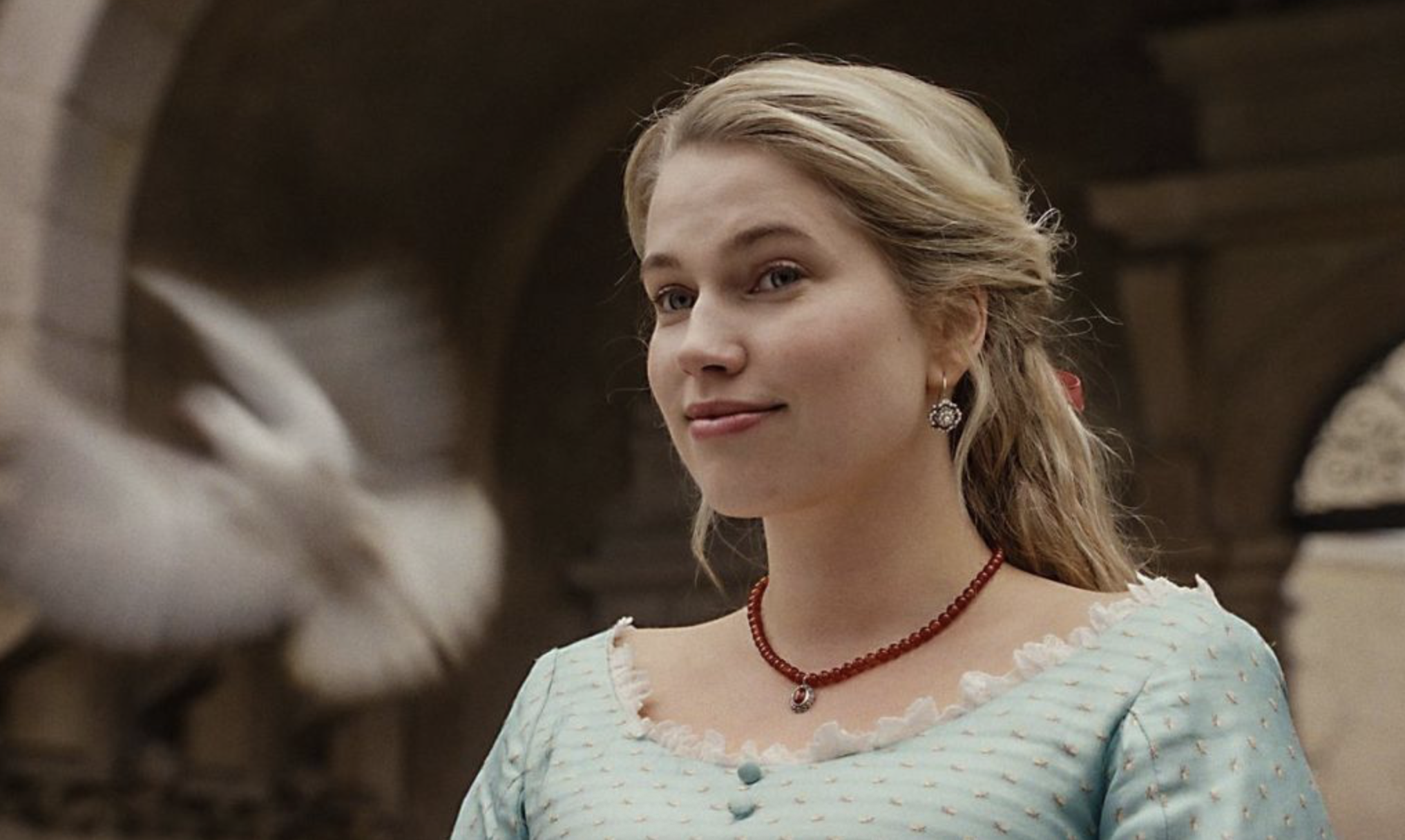
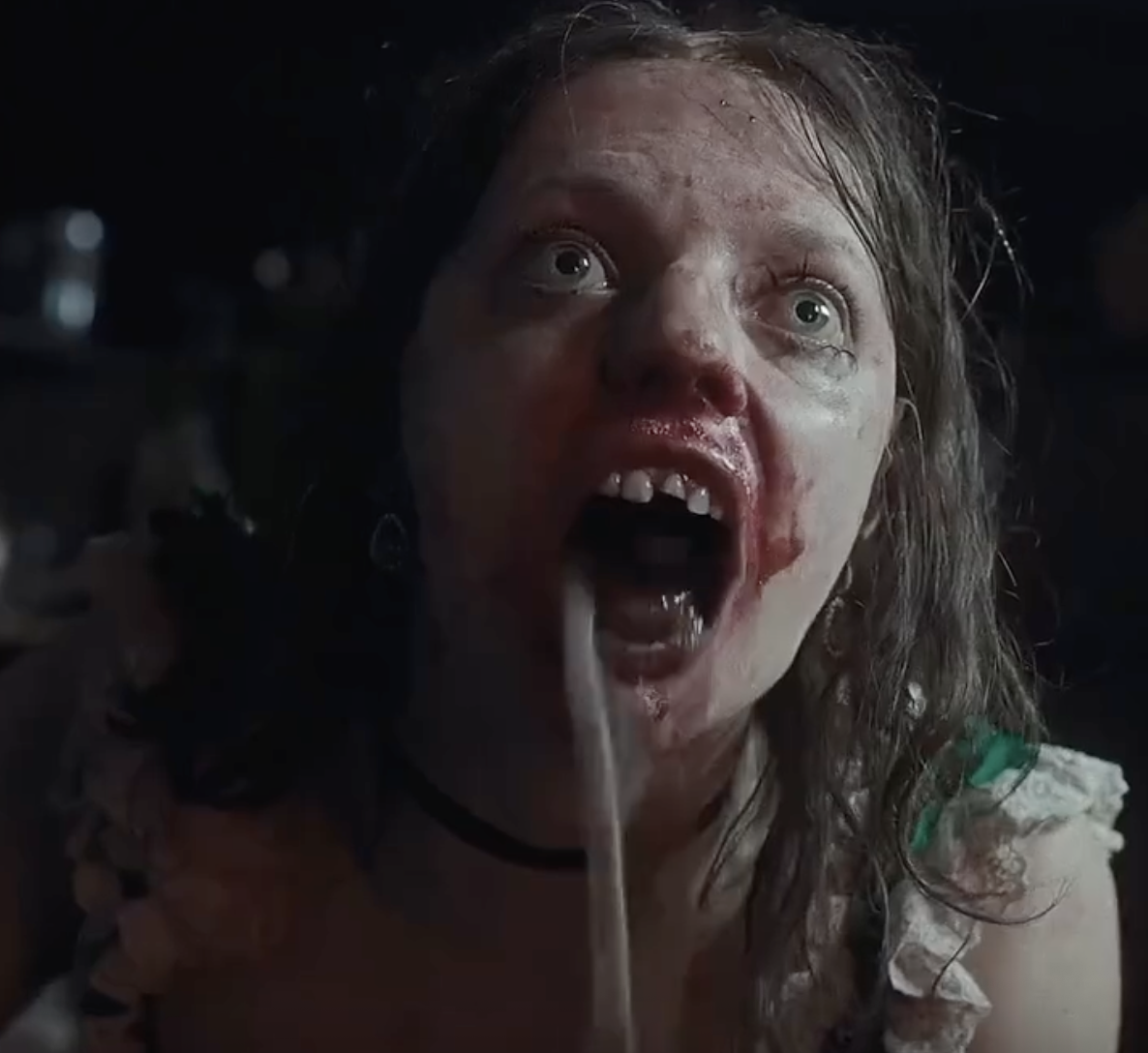
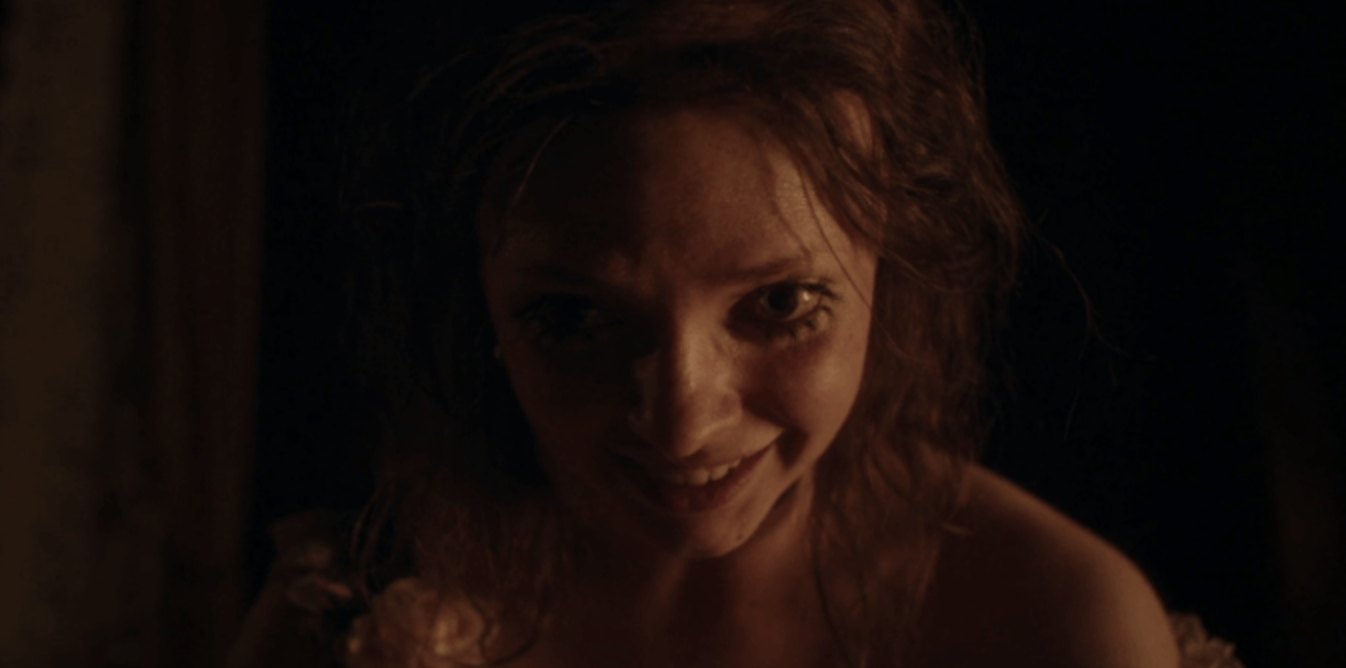
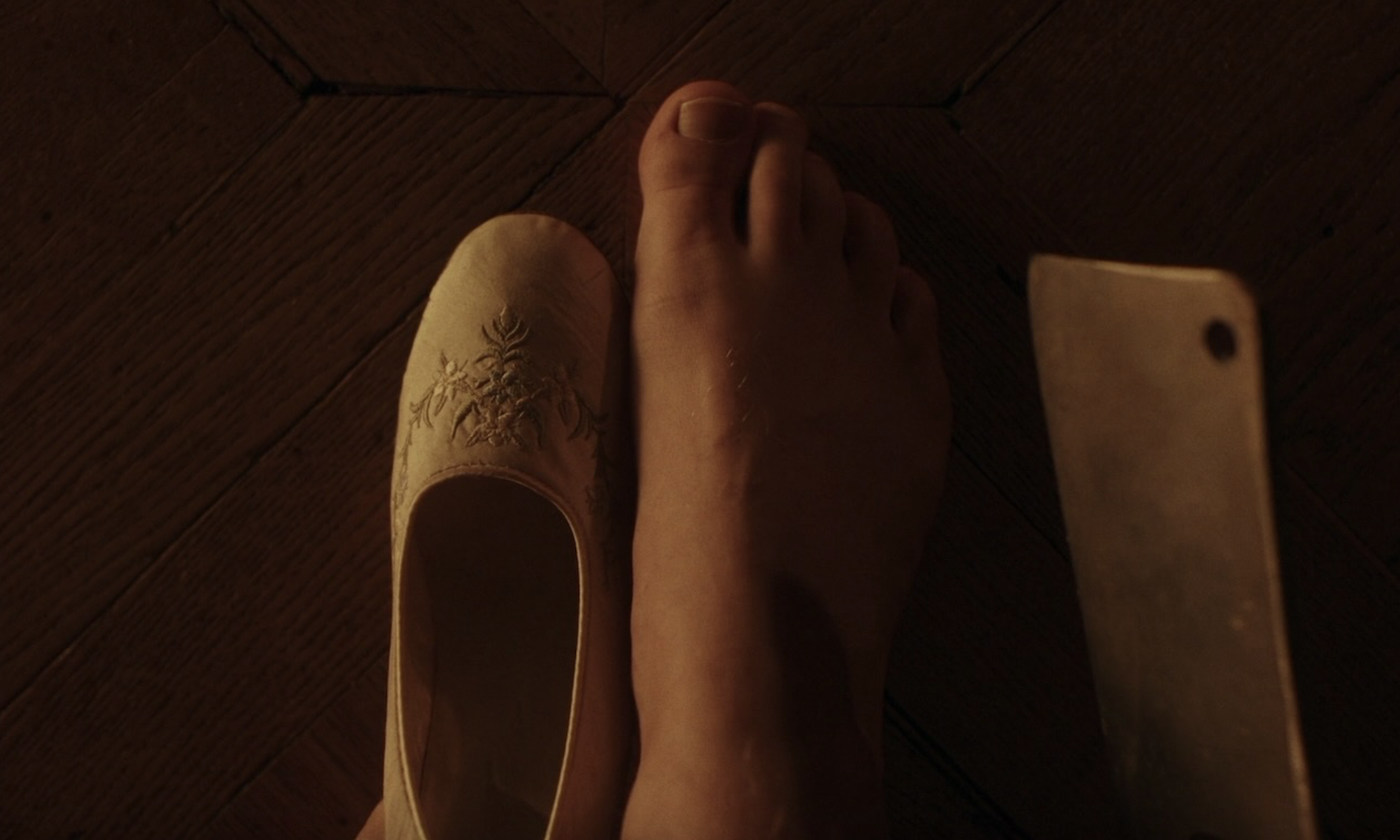
Wait a second. What happened to Elvira? In short, she went crazy when the prince chose Agnes instead of her. All the pain and suffering she endured during those few past months were for naught. She was not the same person she was before; now she was mean, unpleasant, entitled, bitter, angry, and, the worst part, ugly on the inside. And ugly on the outside, too, thanks to her mental breakdown making her cut her own foot, falling down a flight of stairs and breaking her nose, chipping her teeth, losing the lashes and the wig. And do not forget the nasty tapeworm; when she finally and violently threw it up, it took all the light out of her eyes. Poor girl. She looked like a wretched old hag, like the hunchback of Notre Dame. Sad. This was her deformed and disabled final form – what a waste of a happy girl!
So yes, the moral of the story was to stay true to yourself (like Agnes) in order to have a chance at happiness, and to work with what you already have (looking at you, original Elvira) because it is yours and yours only. Clear and to the point. Goodbye.

In Love and Fear,

—Marath

© 2016-2025

Calming Horror – THE DEEP HOUSE (2021)

Hi. The other day while rewatching The Deep House (2021) I realized I’d never talked about it here in the blog. Odd. This French movie is one I regard dearly as it combines some of my favorite things: horror, large bodies of water, and relaxation. For me, nothing compares to the wonderful feeling I get while watching a slow-paced aquatic adventure with dire consequences. The warm and soothing embrace of darkness, the quiet isolation underwater, the battle with mortality, the absolute realization that nothing matters more than fresh air, the automatic agreement you make with yourself that if you make it out alive things will change, the deep knowledge that you will be alright, the calming horror of it all.

How do you call the total opposite of thalassophobia and submechanophobia? Whatever it is called, I have it. I love looking at pictures and videos of large and deep bodies of water as well as at man-made objects submerged underwater. I love that, I really do. The first time I noticed I had it was when I visited the Queen Mary in Long Beach:

Right. That is my deep connection with this movie.

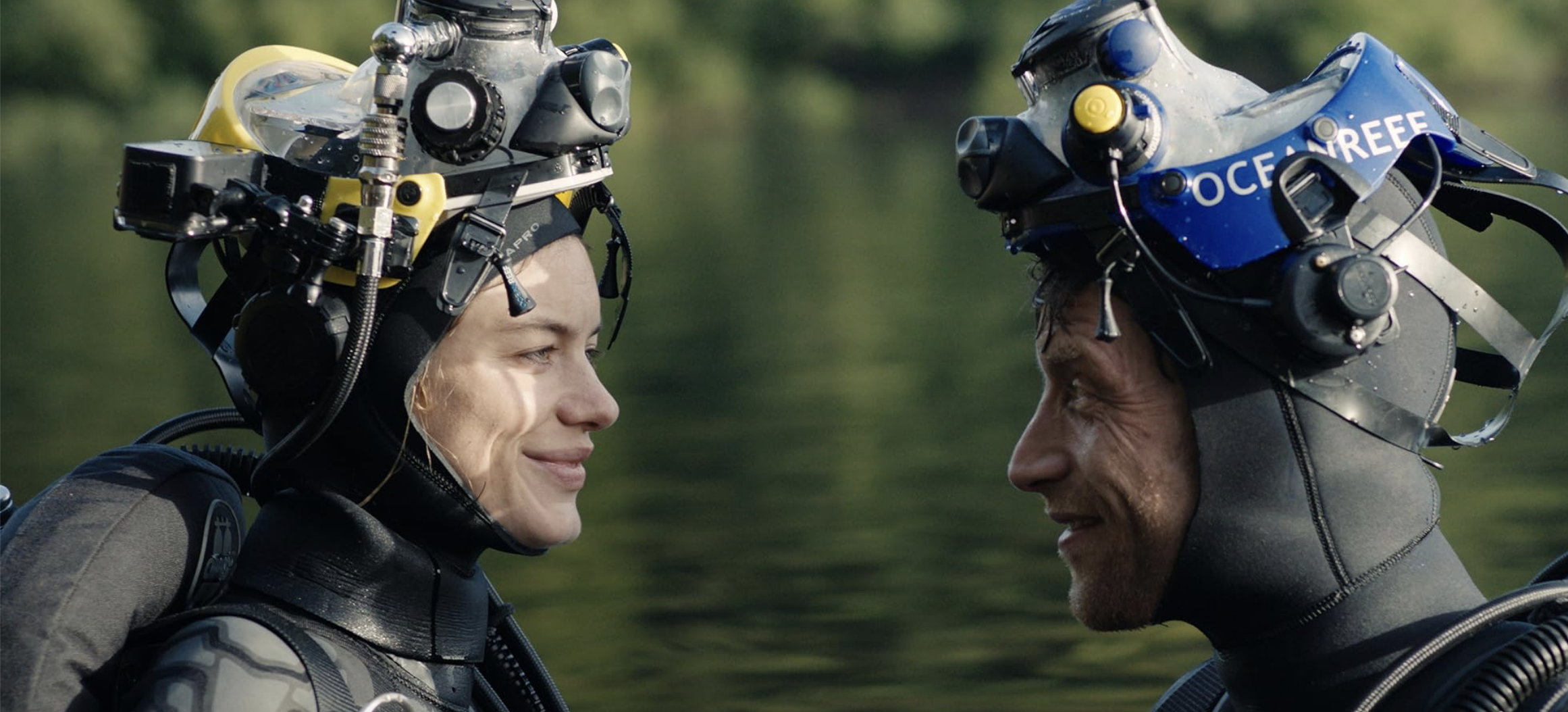
The Deep House tells the story of Ben, his girlfriend Tina, and his 4K underwater drone Tom (as in Peeping Tom). At the moment, Ben was concentrated in growing his youtube channel where the average view count for his walk-through vlogs about far and secret ruins was 50K, but once he hit 1M views he promised he would propose and get married to Tina.

Their latest adventure took place at an abandoned asylum in Ukraine where nothing much happened; it was a run-of-the-mill old building in the forest with abandoned furniture, indoor vines, graffiti, and trash – if it weren’t for Ben’s pranks on Tina (he enjoyed scaring her) his content would be even less entertaining. An asylum in a forest in Ukraine was a dud, so maybe his next location, a total and complete secret spot, a submerged small town in a lake in France would get him closer to that elusive 1M.

Ben and Tina prepared and trained in scuba diving as their new adventure would be a challenging one. Ben was dialed in and excited and ready to go go go (!!), but Tina wasn’t, she even lied about her minute and a half record (she told Ben she could hold her breath underwater for three whole minutes), and even tried to charm and convince him with simply relaxing and being tourists for the day after finding out the ‘total and complete secret spot’ at Fress Lake was anything but. Ben might have been disappointed that all his planning was for naught, but at least was pleased Tina was by his side, so tourists it was, sadly.  

When Ben went to purchase cheap wine at the food truck by the lake, he met a local, Pierre, who told him about a secret spot (a real one this time) away from all those loud and annoying tourists, so Ben decided to take the stranger’s offer and exchange money for information. The place was so private that the guy would have to take them there himself. Tina was hesitant once again, nevertheless, she pushed forward and supported Ben’s youtube hobby.

The place history went a little something like this: Forest Chanteloup, now called Fress Lake, was a small town in South West France which got severely flooded around fifty years ago, so when planning and construction was finally done to control and redirect waterflow in 1984, a year after local kids went missing, the village was voluntarily vacated and the valley was purposefully flooded, with all the damaged houses getting demolished prior to the scheduled flooding, that is. This last fact was hidden from the online world, thus Ben being blindsided and taking on a whim the stranger’s offer for the promise of an intact, one hundred percent well-preserved house that no one, absolutely no one but the stranger himself, knew about. All Ben could see was that big fat 1M, so much so that it eclipsed everything else: his girlfriend’s uneasiness, the stranger’s miraculous offer, the million and one red flags.  

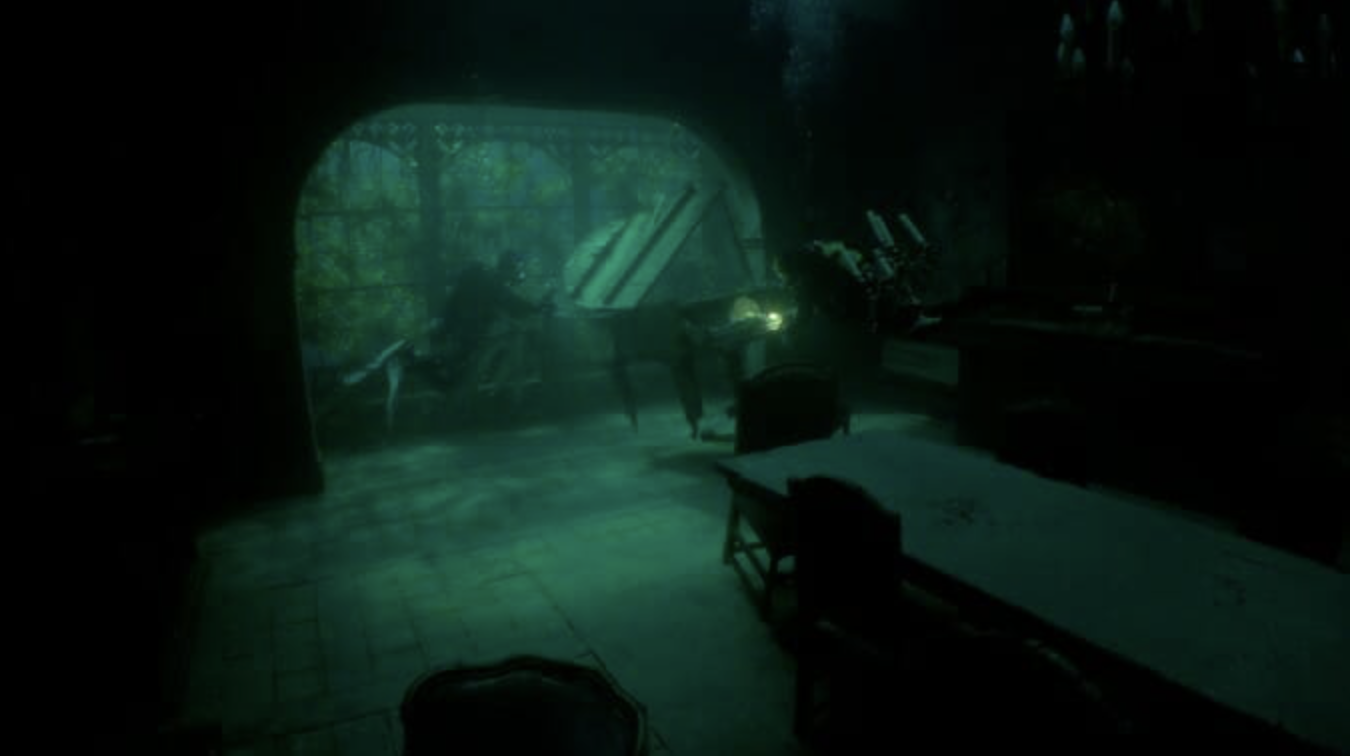
Underwater, deep down at the bottom of the lake was the promised house. Still standing. Intact. Maybe too intact? How could a flooding of such great magnitude not jeopardize the beautiful structure? How could the passing of time not be visible? And the inside of the house… of the home… why was everything still in its place? It is almost as if the structure was floating on the lake and it simply sank. You knew where you were. Yes. You were diving inside a lake in France, but you could have easily told yourself you were somewhere else, maybe in the Atlantic Ocean exploring the Titanic mere hours after its sinking on April 15, 1912. That would have made more sense. That would explain why everything was brand new and still in its place. The impossibility of what you were experiencing was unbelievable, but you were looking at it so it had to be… true? Or, maybe you died and this was all a nightmare; that being the case, who actually cares & let’s look around while the hallucination lasts, shall we?

**SPOILERS** 

It turned out the deep house was haunted by its owners, the Montégnac’s, who were— surprise! —the mother, the father, and the sister of the stranger, Pierre. As a teenager in 1984, Pierre Montégnac was able to escape an attack against his family carried out by a few locals who were taking matters into their own hands because—surprise again! –they had found out the family was involved in the disappearance of the missing children. The vengeful locals ended up imprisoning the family inside their own house before the final flooding. There were no witnesses, just a son who, decades later, would take pleasure in tricking overzealous tourists and offering them as gift to his beloved, drown family.

Let’s be honest, nobody can escape alive from a haunted house underwater, mmh-kay? Especially if you suffer from panic attacks and your brain freaks out and makes you do stupid things like wasting time and precious oxygen from your oxygen tank. Moral of the story besides not going to haunted houses underwater? Listen to your girlfriend and ask for her honest opinion (if you must, ask her a couple of times if/when she replies "mmh, it’s fine” in a weird voice), but most importantly and for the love of God, DO NOT trust strangers. 

In Love and Fear,

—Marath

P.S. Videos like these are my new ASMR:

© 2016-2025

I Heart LOWLIFES (2024)

NOTE: Today is Thursday, January 9, 2025. I had planned to write this post at the end of the month, however, due to current events here in L.A., I found myself with a great deal of free time on my schedule. Time and a Mac with 47 percent battery life. No power, no internet, just a really good laptop and nothing better to do on day 2 of waiting for the city to restart and get back to work. My heart goes out to every resident who had no option but to evacuate in such short notice, to everyone whose home and life-long memories were destroyed so suddenly, but, specially, my heart goes out to each and every family who tragically lost loved ones in these horrific fires. To firefighters, aerial firefighters, first responders, and law enforcement, my outmost respect and admiration goes out to you. To top state and city officials whose incompetence and negligence allowed for this recurrent natural disaster to get out of control so barbarically, you are on your own.

Hello and a quick question: what does The Texas Chainsaw Massacre, House of 1000 Corpses, and Mother’s Day have in common? A dysfunctional family, yes, a reclusive family, yes, a violent family, yes, a cannibal family, yes, but not super always, a family who would defend itself when an uninvited guest intrudes on their domestic life, yesssssssa. These movies have all that in common plus the fact that their colorful characters—I am avoiding calling them white trash or hillbilly because I would never insult who I love—are my favorite. There is something so badass about a group of people who, for one reason or another, do not follow societal norms and choose to live by their own rules outside polite society. But do not get it wrong, that those broken rules are highly questionable is a totally different subject and all I am saying is that, for me, that rebellion against being perfect, heck, against being plain normal and average, is so intoxicating to me.

Enter Lowlifes (2024), a Tubi original Canadian horror movie deserving of a million five-star reviews and whose story showcases my favorite kind of family. The movie was done so well that even its trailer was put together nicely and did NOT reveal anything crucial; please, if you are interested, hit play and watch it now.

I have watched the movie three times and I am happy to say that with each passing view I pick up more little details which, goodness me, are like tiny little treasures left behind by the filmmakers as a reward for our honest interest in their work. The first time you watch Lowlifes you will be joyous, surprised, and amused (it is a total hoot, nothing but good times); the second time you will be a bit quiet, really paying attention to the dialogue and interactions (you will find yourself thinking, Damn, that was actually pretty smart, nicely done); by the third time you will be so relaxed as the movie is now familiar to you and you love the feeling it generates in your being (okay, maybe this last part only applies to me), and you will be sitting there laughing with gusto, saying back in unison your favorite lines, all while thanking your lucky stars that it only takes a movie like this to make you forget about the outside world and its many problems. Good. Life good.

SPOILERS START NOW

“Kids, am I right, they’re kinda the worst.” –Keith 
“You are an addict AND a lesbian?” –Keith
“I’d rather eat PUSSY than people!” –Amy
“Yer cannibals?” –Savannah
“Awh! I love your accent!” –Keith

Innocent family crosses paths with a family of cannibalistic murderers. The cannibalistic murderers:

The Manning’s were a typical L.A. family from Calabasas—affluent, conservative, loving—who would go on a yearly road trip to hunt down and eat drifters. The daughter, Amy, was in college and getting too old for the family tradition, or “hobby” as she would derogatorily call it whenever intentionally trying to upset her dad, Keith. The mom, Kathleen, was nothing much but a shell of a woman, a follower, afraid to stand up for herself or anyone or anything, staying terribly busy with her pills. The son, Jeffrey, was the pride and joy of Keith because he, at only 16 years of age, displayed great interest and capability in the generations-long Manning tradition, so much so that Keith would reward him with a drifter’s tongue (Jeffrey’s favorite) for showing initiative, naturally, the gifting would get performed without Kathleen’s knowledge as it would be impolite expressing favoritism between children.

Their RV might have been a bit old, after all, it was passed down each generation. Grandpa Manning, dad Manning, daughter Manning. Amy knew her role as the first born and she did not want any of it; not the road trips, not the violence, not the killings, not the eating, even though the eyeballs were indeed her favorite. She wanted none of it. What Amy wanted was to be close to her girlfriend, or to any girl if we are being honest. And marijuana. A chill life without eating people, just lots of love and pot.

As the Manning’s were getting ready to continue their journey up north, a pair of colorful locals, Billy and Vern, stopped by the RV to ask about their missing relative, Melior, who had not showed up for skinning that morning and whose truck was found in a ditch miles away. Pardon me, I should have first mentioned that the happy Angeleno family had just finished eating their lunch, so, yeah, definitely no Melior.

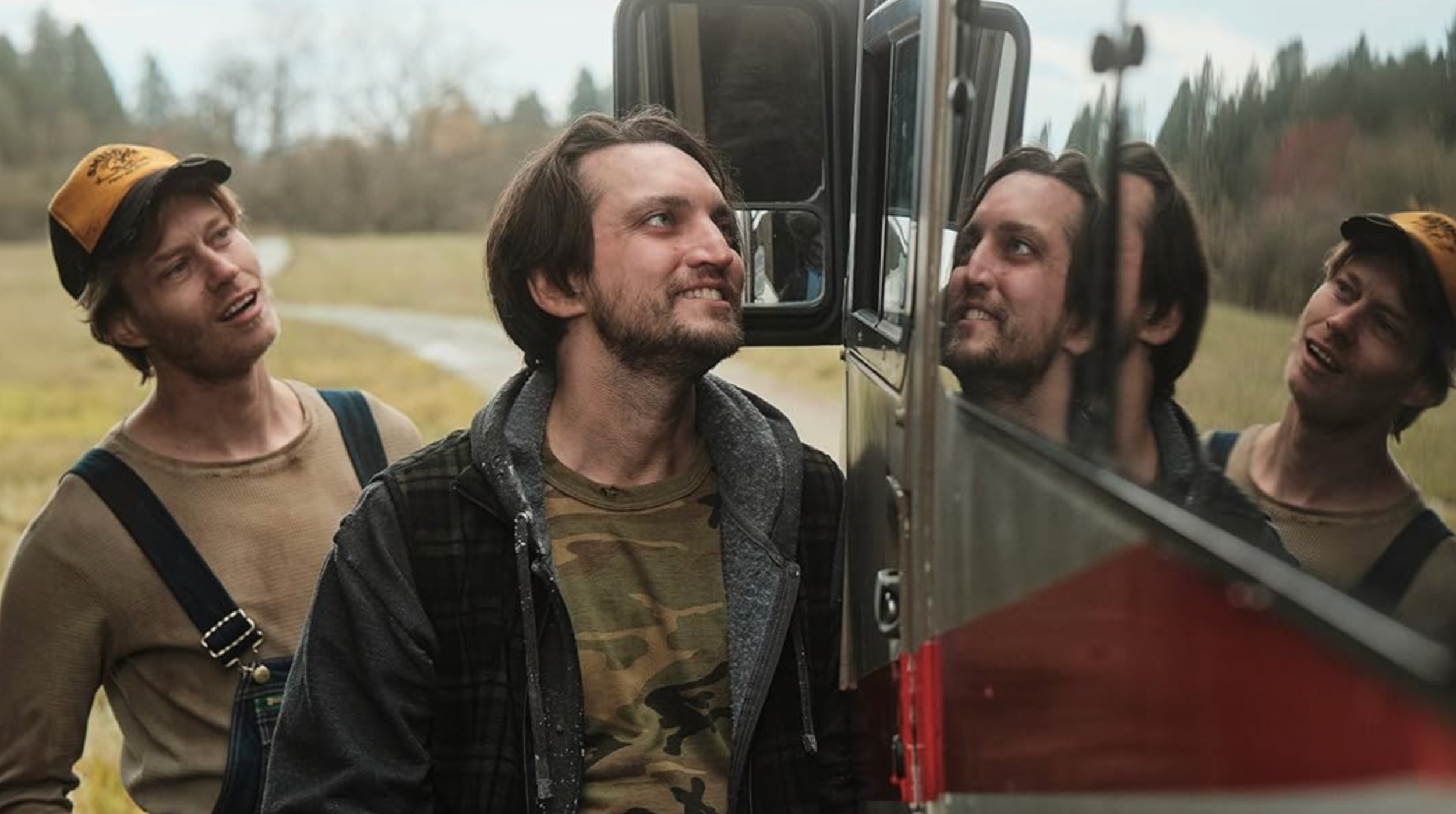
Billy and Vern were your stereotypical scary-looking, low-status, uneducated, rural folks, and yes, because they were intimidating as hell, the Manning’s did not want to do anything with them and played dumb and nice to stay away from trouble. However, because we needed to have a movie, conflict started developing and yada, yada, yada, now the Manning’s had abandoned Vern and killed and chopped dear, sweet Billy, and were en route onto Billy’s house.

The Cleary’s were a God-fearing, hard-working, rough around the edges, all-American honest family of four: Billy, the big cousin, Juli Ann and Savannah, the baby cousins, and Pa Neville, the great uncle. They were considered as normal as anyone else around the area, solitary and weird, perhaps, but normal nonetheless.

Pa had a few health problems of his own, in spite of that, he was as sweet as apple pie and made sure “Billy’s” unexpected guests felt as welcome and comfortable as possible in his home (they were even invited to stay for supper and to spend the night in the spare room). Savannah was smart and sensitive, happy to take care of the home and the family (but still debating about going to Community College), she was also an accomplished archer and a pianist, and a lesbian (why Juli Ann was obsessed with revealing that last piece of personal information about her sister to strangers was beyond me). Juli Ann was training to be a hairdresser while pursuing a serious relationship with her boyfriend, Big Mac. Billy was in the venison meat business with Vern. See? Normal.

To me, the beauty of Lowlifes did not rely so much on the stereotyping of groups of people based on their socioeconomical status (rural/urban, blue-collar/white-collar) & on the severe contrast between them when forced to interact, but rather, on the stereotyping within those groups of people. The shock of it all was not, again, to me, the fact that the polite individuals of L.A. were the scary cannibals and the local folks were not. The real surprise was that the cannibal dad from L.A. was crazy enough to eat his own eye like it was nothing, and that the strong, independent local woman was sensitive enough to feel hurt whenever someone criticized her elaborate meal. One was an animal, the other was a delicate flower.

In the end, everyone died with the exception of Amy, the closeted lesbian from L.A., the one who wanted to leave her past behind, the one who rather ate pussy than people. So, let’s go forth, dear Amy, go live your best life without the shackles of the past, without the consequences of your actions. Please, go now.

As for me, I am also going to go, but to Tubi to watch the movie for a fourth time — y’all should join me, GO ON, GIT!

In Love and Fear,

—Marath

© 2016-2025